Best cities in Israel for English-speaking retirees with good medical facilities?
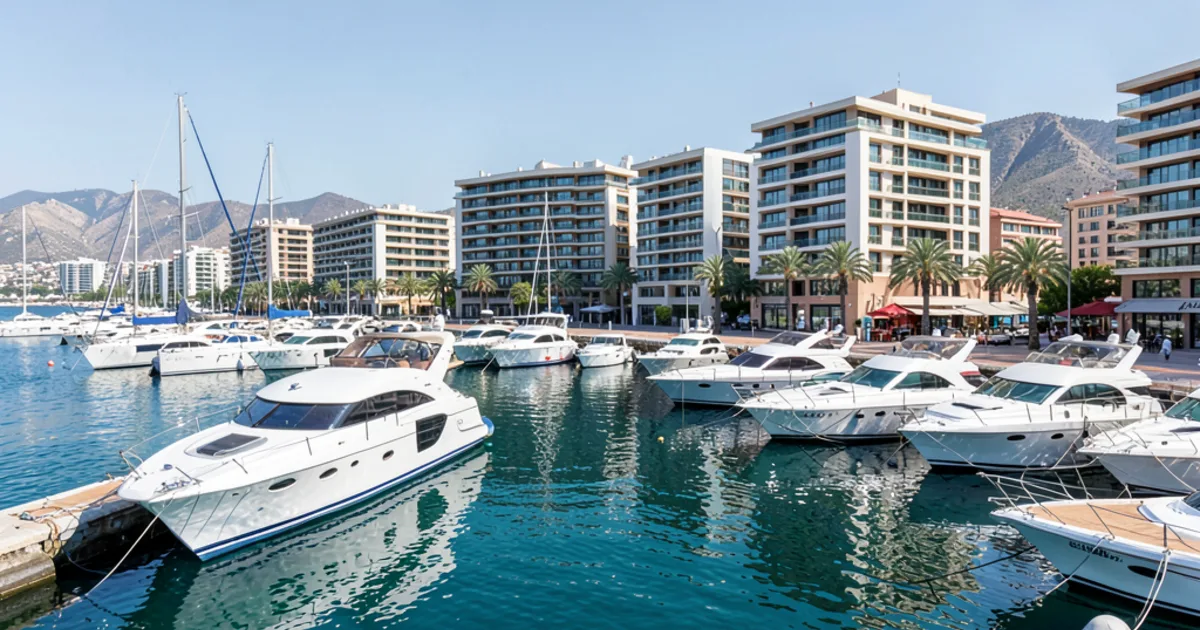
Deciding where to settle in Israel as a retiree is a multifaceted decision that goes far beyond finding a beautiful view or a sunny climate. For English-speaking retirees, the process involves balancing social integration, proximity to specialized medical facilities, and the practicalities of the local real estate market. Whether you are planning a permanent Aliyah or seeking a seasonal pied-à-terre, understanding the regional nuances is the key to a successful transition. This guide explores the premier locations and the essential logistical steps you must take to ensure your golden years in Israel are secure and fulfilling.
- The Three Pillars of Successful Retirement in Israel
- The Coastal Advantage: Netanya and Herzliya
- Central Israel: The Convenience of Ra'anana and Rishon LeZion
- The Northern Retreat: Tiberias and the Galilee
- Jerusalem: A Deep Dive into Culture and Care
- Understanding the Healthcare Landscape
- Navigating the Real Estate Legalities
- Managing Ongoing Expenses and Taxes
- Preparing for a Successful Aliyah
- Choosing Between a Primary Home and an Investment
The Three Pillars of Successful Retirement in Israel
When evaluating potential cities for retirement, English-speaking expats should focus on three primary pillars: medical accessibility, community density, and ease of daily living. Medical accessibility is often the highest priority, as the ability to reach specialists and well-equipped hospitals quickly can significantly impact your quality of life. You should investigate not just the presence of hospitals, but the availability of English-speaking medical staff and the efficiency of local clinics.
The second pillar is the social fabric and community density of your chosen area. Moving to a new country can be isolating if you do not find a community that shares your language or interests. Many retirees find that living in areas with a high concentration of English speakers allows for a smoother transition, providing immediate social connections and a support network of people who have already navigated the challenges of Aliyah.
The third pillar involves the practicalities of daily life, such as walkability, public transportation, and local amenities. A city that offers easy access to supermarkets, pharmacies, and community centers without requiring constant driving is ideal for those looking to simplify their lifestyle. Consider how the local infrastructure supports aging, including the availability of accessible walkways and the proximity of essential services to your residential area.
- Proximity to specialized medical centers and clinics.
- Strength and size of the local English-speaking community.
- Accessibility of local amenities and public transportation.
The Coastal Advantage: Netanya and Herzliya
The Mediterranean coastline remains one of the most sought-after regions for retirees due to its vibrant atmosphere and high standard of living. Netanya, in particular, has established itself as a major hub for English speakers, offering a lifestyle that blends seaside relaxation with urban convenience. The city features a diverse range of housing options, making it suitable for those looking for both luxury beachfront apartments and more modest residential settings.
Herzliya offers a more premium experience, characterized by high-end developments and proximity to some of the country's most prestigious medical facilities. While the cost of entry into this market is generally higher, the lifestyle benefits are significant, including access to elite shopping, dining, and wellness centers. This area is ideal for retirees who prioritize a sophisticated urban environment and want to remain close to the economic and medical heart of the country.
Living on the coast also provides unique psychological benefits, such as the ability to enjoy daily walks along the shore and a climate that is generally mild throughout the year. However, it is important to account for the higher demand in these areas, which can influence both property prices and the competitive nature of the real estate market. Residents should also consider the seasonal fluctuations in population, as these cities can become much busier during holiday periods.
- Netanya: High concentration of English-speaking communities and diverse housing.
- Herzliya: Premium lifestyle with proximity to top-tier medical hubs.
- Coastal Lifestyle: Regular access to Mediterranean amenities and wellness.
Central Israel: The Convenience of Ra'anana and Rishon LeZion
For retirees who prefer a more suburban feel without sacrificing proximity to major metropolitan services, the central region is an excellent choice. Ra'anana is frequently cited as one of the most friendly cities for English speakers, offering a calm, well-maintained environment that feels both safe and community-oriented. The city's layout and local culture make it a seamless transition for those coming from Western countries.
Rishon LeZion offers a different but equally compelling option, providing a massive scale of amenities and a very diverse demographic. It serves as a bridge between the high-energy atmosphere of Tel Aviv and the quieter residential outskirts, making it a versatile choice for different lifestyles. The city's extensive public transport links and wide variety of shopping and medical centers provide a level of convenience that is hard to match.
Choosing a city in the center of the country often means you are never far from the nation's primary medical research centers and specialized hospitals. This geographic advantage is a significant factor for those who may require frequent or specialized healthcare services. While the pace of life in central Israel can be faster than in the north, the efficiency and availability of services are often superior.
- Ra'anana: Exceptional community support for English speakers and a peaceful atmosphere.
- Rishon LeZion: Diverse amenities and excellent connectivity to the rest of the country.
- Central Advantage: Rapid access to the nation's most advanced medical infrastructure.
The Northern Retreat: Tiberias and the Galilee
If your priority is serenity, natural beauty, and a more affordable entry point into the real estate market, the north of Israel offers incomparable charm. Tiberias, situated on the shores of the Sea of Galilee, provides a slower pace of life that many retirees find deeply restorative. The region is steeped in history and offers a scenic backdrop that can enhance one's sense of well-being and peace.
The Galilee region extends beyond Tiberias, offering boutique villages and more secluded residential options that appeal to those seeking privacy. While these areas may feel more remote than the coastal or central hubs, they offer a unique connection to nature and a close-knit community feel. Many retirees choose these locations to establish a long-term home that feels worlds away from the bustle of the metropolitan centers.
It is important to note that while property in the north may be more accessible, the density of English-speaking services and specialized medical facilities may be lower than in the center. For retirees choosing this path, it is wise to ensure that your chosen location is within a reasonable driving distance of major hospitals. Additionally, consider the seasonal weather patterns, as the north can experience different temperature shifts than the coastal plain.
- Tiberias: Scenic lakeside living with more affordable property options.
- The Galilee: Ideal for those seeking privacy, nature, and a quiet lifestyle.
- Considerations: Ensure proximity to major medical centers and check seasonal weather.
Jerusalem: A Deep Dive into Culture and Care
Jerusalem offers a lifestyle that is unlike anywhere else in the world, characterized by immense historical depth and a profound sense of spiritual significance. For many retirees, the city's cultural richness and the opportunity to live in such a storied location are primary motivators. The city is a mosaic of different communities, offering everything from highly secular neighborhoods to deeply religious enclaves.
From a healthcare perspective, Jerusalem is home to some of the most prestigious and advanced medical institutions in the country. This ensures that residents have access to world-class specialists and cutting-edge treatments right on their doorstep. For those with complex medical needs, the concentration of expertise in Jerusalem provides a level of security that is difficult to find elsewhere.
However, living in Jerusalem requires an understanding of its unique urban landscape, which includes hilly terrain and a more complex transportation system. The social atmosphere can be intense, and the city's character changes significantly depending on the neighborhood you choose. It is essential to research the specific micro-culture of a district to ensure it aligns with your personal lifestyle and social expectations.
- Cultural Richness: Unparalleled access to history, religion, and heritage.
- Medical Excellence: Home to top-tier hospitals and specialized medical research.
- Neighborhood Nuance: The importance of selecting a district that matches your social values.
Understanding the Healthcare Landscape
Navigating the Israeli healthcare system is a vital component of retiring in the country. The system is built around 'Kupat Cholim,' which are health maintenance organizations (HMOs) that provide comprehensive coverage. Upon arrival or during your residency, you will choose one of these providers, and they will serve as your primary gateway to medical care, including doctors, specialists, and prescription services.
The distinction between the HMOs and the public hospitals is important to understand. While your Kupat Holim manages your primary care and routine visits, the major hospitals are where you would go for surgeries, emergency care, or advanced diagnostic testing. Most major hospitals in Israel are highly advanced and serve the entire population, regardless of which HMO a patient belongs to.
For English-speaking retirees, it is often beneficial to inquire about the specific services offered by different HMOs in your chosen city. Some providers may have more robust English-speaking support or more convenient clinic locations in Anglo-heavy areas. Understanding how the referral process works from your primary doctor to a specialist will save you significant time and frustration in the long run.
- Kupat Cholim: The primary HMO system for all healthcare needs.
- Hospital Access: Public hospitals provide specialized and emergency care.
- Language Support: Verify the availability of English-speaking staff in your local clinic.
Navigating the Real Estate Legalities
The process of purchasing property in Israel involves several critical legal and administrative steps that require careful attention. Everything begins with the 'Tabu,' which is the official land registry. It is vital to ensure that the property you are interested in is correctly registered in the Tabu and that there are no undisclosed liens or legal encumbrances on the title. A qualified lawyer will perform this due diligence as part of the acquisition process.
One of the most significant costs in the purchase process is the 'Mas Rekhisha,' or purchase tax. This tax is calculated based on the purchase price and the buyer's status (such as whether it is a primary residence or an investment property). Understanding your tax bracket and how it applies to your specific situation is essential for accurate financial planning. You should also be aware of the 'binding memorandum' (Hozay He'ved), which is the contract that legally commits both parties to the transaction.
If you require financing, you will deal with a 'Mashkanta,' which is a mortgage. Obtaining a mortgage in Israel involves a rigorous assessment of your financial standing and the property's value. It is highly recommended to work with a professional who understands the complexities of Israeli mortgage laws and interest rates. Throughout the entire process, a notary and a specialized real estate lawyer are indispensable to ensure all documents are legally binding and your interests are protected.
- Tabu: Always verify the official land registry status.
- Mas Rekhisha: Account for purchase taxes in your initial budget.
- Mashkanta: Plan for mortgage processes and interest rate considerations.
- Legal Support: Utilize a notary and a lawyer for the binding memorandum.
Managing Ongoing Expenses and Taxes
Owning property in Israel comes with ongoing responsibilities and costs that must be factored into your long-term budget. The most prominent of these is 'Arnona,' the municipal property tax. Arnona is charged by the local municipality and is typically calculated based on the size and usage of the property. Rates can vary significantly from one city to another, so it is important to check the local municipality's rates for your specific area.
In addition to Arnona, residents of apartment buildings must pay 'Dmeitchat Va'ad Bayit,' or building maintenance fees. These fees cover the upkeep of common areas, such as elevators, hallways, gardens, and security services. In higher-end developments or luxury high-rises, these fees can be quite substantial. Always ask for a breakdown of these costs before committing to a specific property to avoid unexpected monthly expenses.
For those who view their property as an investment, you must also be aware of 'Mas Shevah,' or capital gains tax. If you eventually sell the property, the government will levy a tax on the profit made from the sale. There are certain exemptions and considerations for primary residences, but for holiday homes or investment properties, the tax implications can be significant. Proper financial planning with a tax professional is highly recommended.
- Arnona: Municipal property tax that varies by city and property size.
- Va'ad Bayit: Monthly building maintenance fees for common areas.
- Mas Shevah: Capital gains tax applicable upon the sale of property.
Preparing for a Successful Aliyah
The transition to living in Israel is often facilitated by the 'Sokhnut,' also known as the Jewish Agency. They provide various resources and support systems for those making Aliyah, helping to navigate the initial stages of settlement. Engaging with their services early can provide you with a clearer roadmap for your relocation and help you understand the rights and benefits available to you as a new resident.
Language is one of the most significant hurdles for many retirees, and enrolling in an 'Ulpan' is the most effective way to overcome this. An Ulpan is a specialized Hebrew language school designed to teach immigrants the practical Hebrew needed for daily life. While you may live in an English-speaking community, having a functional command of Hebrew will greatly enhance your independence and your ability to interact with healthcare providers and local officials.
Beyond the formal processes, social integration is key to a happy retirement. Look for community centers, local clubs, or interest-based groups that cater to both new immigrants and long-term residents. Building a social life that includes both your fellow English speakers and local Israelis will provide a more enriched and well-rounded experience of Israeli culture and society.
- Sokhnut: Utilize the Jewish Agency for settlement guidance.
- Ulpan: Prioritize Hebrew language learning for greater independence.
- Social Integration: Join local groups to build a diverse social network.
Choosing Between a Primary Home and an Investment
Retirees must decide whether their property in Israel will serve as their primary residence, a holiday home, or a pure investment. A primary residence offers the most stability and allows you to fully integrate into the local community. However, it requires a larger upfront commitment and means your capital is tied up in a single location. If you choose this path, focus on long-term comfort and proximity to essential services.
A pied-à-terre or holiday home can be a wonderful way to experience Israel without the full commitment of permanent Aliyah. This allows you to spend several months a year in the country while maintaining your lifestyle elsewhere. However, you must consider the costs of maintaining a second home, including security, utilities, and the potential for property to sit vacant for long periods.
For those looking at property as an investment, the strategy shifts toward rental yields and capital appreciation. While Israel's real estate market has historically shown strength, it is important to approach this with a measured perspective. An investment property requires a different management approach, often involving a local agency to handle tenants and maintenance. Always weigh the potential for return against the risks and the tax implications like Mas Shevah.
- Primary Residence: Focus on stability, community, and long-term comfort.
- Holiday Home: Offers seasonal enjoyment but requires higher maintenance costs.
- Investment Property: Focus on rental yields and capital appreciation with professional management.
FAQ
How does the healthcare system work for retirees in Israel?
Healthcare is managed through 'Kupat Cholim' (HMOs), which provide primary care and access to specialists. You choose a provider, and they manage your medical needs, while major hospitals handle emergency and specialized treatments. Most medical facilities have English-speaking staff to assist international residents.
What are the most important legal steps when buying a house?
You must ensure the property is correctly registered in the 'Tabu' (land registry) and consult a lawyer to handle the 'binding memorandum.' You should also account for 'Mas Rekhisha' (purchase tax) and any potential 'Mashkanta' (mortgage) requirements. A professional lawyer is essential to protect your interests throughout the transaction.
Will I need to pay property taxes in Israel?
Yes, you will be responsible for 'Arnona,' which is the municipal property tax based on your location and property size. Additionally, if you live in an apartment building, you will pay 'Va'ad Bayit' for the maintenance of common areas. These should be factored into your monthly living budget.
Is it easy to learn Hebrew after retiring?
Yes, many retirees attend an 'Ulpan,' which is a specialized Hebrew school for immigrants. While you can find English-speaking communities in cities like Netanya or Ra'anana, learning basic Hebrew is highly recommended for navigating daily life and healthcare. It significantly improves your ability to interact with the local community.
Get your personalised shortlist
Listings and up-to-date info, straight to your inbox, free, no obligation.
Start my search →