How do short-term rental regulations impact profitability for a holiday apartment in Tiberias?
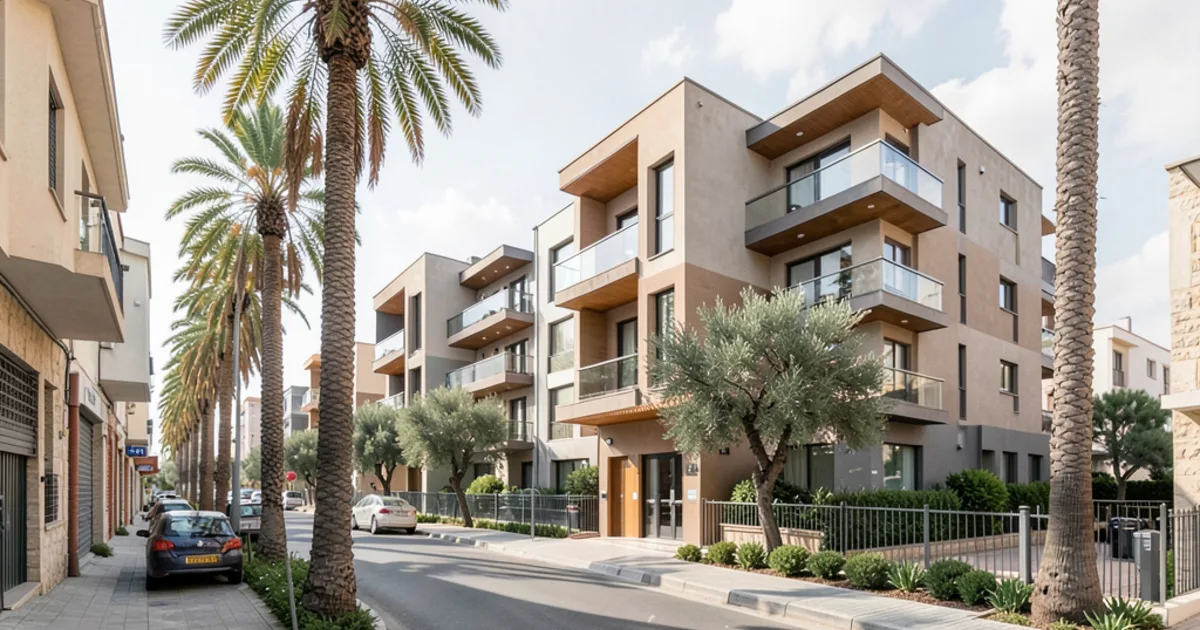
Tiberias, with its rich history, stunning Sea of Galilee views, and spiritual significance, has long been a magnet for tourists, making it an attractive location for real estate investors. The allure of generating passive income through short-term holiday rentals is strong, but navigating the regulatory landscape is crucial for success. This in-depth guide from BuyHouseIsrael will dissect how current and evolving regulations specifically impact the profitability of a holiday apartment in Tiberias, offering actionable insights for both prospective and current investors.
Quick answer: Short-term rental regulations in Tiberias primarily affect profitability by imposing licensing requirements and limiting the number of permitted nights per year. These rules can reduce potential revenue streams but also create a more stable, professional market environment that may attract higher-value guests.
- The Allure of Tiberias for Short-Term Rentals: A Strategic Overview
- Understanding the Israeli Legal Framework for Short-Term Rentals
- Municipal Regulations in Tiberias: What Investors Need to Know
- Taxation Implications: Mas Rekhisha, Mas Shevah, and Income Tax
- Navigating the Operational Costs and Their Impact on Profitability
- The Impact of Competition and Market Dynamics on Rental Rates
- Insurance and Liability Considerations for Holiday Rentals
- Financing a Holiday Apartment in Tiberias: Mashkanta and Beyond
- The Importance of Professional Management and Local Expertise
- Anticipating Future Regulatory Changes and Market Trends
- Strategic Considerations for Maximizing Profitability in Tiberias
The Allure of Tiberias for Short-Term Rentals: A Strategic Overview
Tiberias holds a unique position in the Israeli tourism sector, drawing diverse groups including Christian pilgrims, Jewish visitors, and local vacationers seeking relaxation by the Kinneret. This consistent demand underpins the potential for robust occupancy rates, a primary driver of short-term rental profitability. The city's ongoing development, including new promenades and tourist attractions, further enhances its appeal, suggesting a resilient and growing market for holiday accommodations.
However, this attractive market also means increased scrutiny from local authorities and a dynamic regulatory environment. Investors must look beyond the picturesque scenery and delve into the practicalities of operating a short-term rental business. Understanding the specific demographic of visitors and their seasonal patterns is also key to optimizing pricing strategies and anticipating operational demands, directly influencing the bottom line.
For those considering an investment in Tiberias, whether for a primary home, a holiday pied-à-terre, or a pure investment vehicle, the potential for rental income can significantly offset ownership costs or accelerate return on investment. Yet, this potential is inextricably linked to compliance with local statutes and national tax laws. Ignoring these aspects can quickly erode projected profits, turning a promising venture into a burdensome one.
Understanding the Israeli Legal Framework for Short-Term Rentals
Israel, like many popular tourist destinations, has been grappling with the dual impact of the short-term rental boom: economic benefits versus potential strain on housing supply and local quality of life. While a single, nationwide comprehensive law specifically governing short-term rentals hasn't been enacted, a patchwork of existing laws and municipal bylaws applies, creating a complex operating environment. This includes aspects of property law, municipal taxation, and tourism regulations.
Property owners must first ensure their property's legal status, as recorded in the Tabu (land registry), permits commercial activity if such is deemed necessary by local authorities for short-term letting. While many residential properties are leased for short periods without explicit commercial designation, the precedent for enforcement can vary. It's essential to consult with local legal counsel specializing in Israeli real estate to understand any specific restrictions pertaining to your property or neighborhood.
Furthermore, national legislation concerning fire safety, accessibility, and general hospitality standards can apply, particularly if the property is advertised as a 'zimmer' or guesthouse. While a private apartment might initially fly under the radar, any significant operational scale or public complaint could trigger inspections and demands for compliance. Being proactive in understanding these varied legal touchpoints is a fundamental step in risk mitigation.
Municipal Regulations in Tiberias: What Investors Need to Know
Beyond national frameworks, municipal bylaws in Tiberias play a critical role in shaping the short-term rental landscape. Local authorities have the power to impose specific requirements, such as licensing, zoning restrictions, and even limitations on the number of days a property can be rented out annually. These bylaws are designed to balance tourism development with the needs of permanent residents, and they can be subject to change based on local political and economic pressures.
A key municipal consideration is the Arnona, the municipal property tax. While residential properties pay a certain rate, properties deemed to be operating as a business (such as a guesthouse or frequently rented short-term apartment) might face higher commercial Arnona rates. The classification can sometimes be ambiguous and subject to interpretation by the municipality, potentially leading to retrospective demands if not properly addressed from the outset.
Investors should also investigate any specific permits or registration requirements mandated by the Tiberias municipality for operating a holiday apartment. Some localities require properties used for short-term rentals to register with the municipality or even obtain a special business license. Failure to comply can result in fines or even orders to cease operations, directly impacting profitability and potentially leading to legal disputes. Due diligence here is non-negotiable.
Taxation Implications: Mas Rekhisha, Mas Shevah, and Income Tax
Investing in an Israeli holiday apartment involves navigating a complex web of taxation, both at the acquisition and operational stages. When purchasing the property, Mas Rekhisha (purchase tax) is a significant upfront cost. The rate of Mas Rekhisha varies considerably based on whether the property is considered a single residence for an Israeli citizen, an additional property, or an investment by a foreign national. This initial tax burden directly impacts the total capital outlay and, consequently, the time to recoup the investment.
Regarding ongoing income, rental income generated from short-term holiday lets is generally subject to income tax in Israel. Unlike long-term residential rentals, which may qualify for certain exemptions or reduced tax rates under specific conditions, short-term holiday rentals are typically viewed as business income. This means the rental income will be aggregated with other income and taxed at your marginal tax rate, after deducting eligible expenses. This significantly affects net profitability.
Upon eventual sale, Mas Shevah (capital gains tax) will apply to any profit realized from the sale of the property. While there are exemptions for primary residences under certain conditions, an investment property used for short-term rentals will almost certainly be subject to this tax. Investors should factor in potential capital gains tax when projecting their overall return on investment. Consulting with an Israeli tax advisor is paramount to optimize tax planning and ensure compliance, avoiding costly surprises.
Navigating the Operational Costs and Their Impact on Profitability
Beyond the initial purchase and taxes, numerous operational costs directly influence the profitability of a Tiberias holiday apartment. These include utilities (electricity, water, gas), internet, cable TV, and often, a monthly building maintenance fee (Va'ad Bayit). Unlike long-term rentals where tenants often cover some of these, short-term rental operators typically bear these costs, which can fluctuate significantly based on occupancy and guest usage.
Cleaning and maintenance are substantial ongoing expenses for short-term rentals. Professional cleaning services are usually required after each guest departure, and regular maintenance, including minor repairs, appliance upkeep, and even seasonal improvements, is essential to maintain guest satisfaction and positive reviews. These costs can quickly add up, especially with high turnover.
Marketing and listing fees, often paid to platforms like Airbnb or Booking.com, represent another significant operational cost, typically ranging from a percentage of the booking to fixed fees. Additionally, insurance tailored for short-term rentals, covering guest-related damages or liability, is a prudent expense. All these factors must be meticulously accounted for in financial projections to arrive at a realistic net profit figure, rather than just gross revenue.
- Utilities (electricity, water, gas, internet)
- Building maintenance fees (Va'ad Bayit)
- Professional cleaning services
- Ongoing repairs and maintenance
- Marketing and platform listing fees
- Specialized short-term rental insurance
The Impact of Competition and Market Dynamics on Rental Rates
Tiberias, being a popular tourist destination, attracts a significant number of short-term rental operators, leading to a competitive market. The sheer volume of available properties can influence pricing power and occupancy rates. Investors must conduct thorough market research to understand average daily rates (ADRs), seasonal fluctuations, and the amenities guests prioritize to remain competitive and maximize revenue.
Dynamic pricing strategies are crucial for optimizing profitability. This involves adjusting nightly rates based on demand, local events, seasonality, and even competitor pricing. Relying on static pricing can lead to missed revenue opportunities during peak seasons or prolonged vacancies during off-peak periods. Effective pricing requires continuous monitoring and adaptation to market conditions.
Differentiation is also key in a crowded market. Offering unique amenities, perhaps a private balcony with Kinneret views, a fully equipped kosher kitchen, or family-friendly features, can justify higher rates and attract specific guest segments. Understanding what sets your property apart and effectively marketing those unique selling points can significantly impact your ability to command premium prices and maintain high occupancy, thereby bolstering profitability.
Insurance and Liability Considerations for Holiday Rentals
Operating a short-term holiday rental in Tiberias exposes property owners to various risks, making comprehensive insurance coverage indispensable. Standard homeowner's insurance policies often do not cover commercial activities like short-term rentals, meaning investors need specialized coverage. This 'host protection' or commercial property insurance can safeguard against property damage caused by guests, theft, and crucially, liability claims.
Liability is a significant concern. Should a guest suffer an injury on your property, you could be held responsible. A robust insurance policy can cover legal fees and compensation in such unfortunate events. Without adequate coverage, a single incident could wipe out years of rental income and even jeopardize your ownership of the property. This is a critical area where cutting corners is ill-advised.
Investors should carefully review policy terms, deductibles, and exclusions with an insurance professional to ensure adequate protection. Some platforms offer their own limited host guarantees, but these should not be considered a substitute for a dedicated insurance policy tailored to the specific risks of operating a holiday apartment in Israel. Proactive risk management through proper insurance is a direct contributor to long-term financial stability and profitability.
Financing a Holiday Apartment in Tiberias: Mashkanta and Beyond
For many investors, securing a Mashkanta (mortgage) is a crucial step in financing a holiday apartment in Tiberias. Israeli banks offer various mortgage products, but the terms and conditions can differ significantly for investment properties compared to primary residences. Foreign nationals or those acquiring a second property may face higher down payment requirements and potentially higher interest rates due to perceived increased risk by lenders.
The ability to leverage rental income to support mortgage payments is a key aspect of investment profitability. However, banks will typically be conservative in their assessment of potential rental income when calculating your borrowing capacity. They may require a binding memorandum (Zichron Devarim) or a formal purchase agreement before approving a mortgage, outlining the specific terms of the property acquisition.
Beyond traditional mortgages, investors might explore other financing avenues, such as private loans or equity partnerships. It's important to understand the full cost of borrowing, including origination fees and any early repayment penalties, as these can impact overall profitability. Consulting with a financial advisor specializing in Israeli real estate finance can help identify the most suitable and cost-effective financing strategy for your specific circumstances.
The Importance of Professional Management and Local Expertise
Managing a short-term holiday rental from afar, or even locally, can be time-consuming and demanding, particularly when dealing with guest inquiries, check-ins, cleaning, and maintenance. Engaging a professional property management company in Tiberias can significantly streamline operations, ensuring high service standards and potentially higher occupancy rates. While this comes with a management fee, it can often be justified by increased revenue and peace of mind.
A local property manager brings invaluable expertise, including an understanding of local regulations, a network of reliable service providers (cleaners, handymen), and the ability to respond quickly to guest issues or emergencies. They can also assist with dynamic pricing, marketing optimization, and ensuring compliance with municipal requirements, which is particularly beneficial for investors not residing in Israel or those preparing for Aliyah.
For investors, especially those new to the Israeli market or those who view their property as a long-term investment, professional management can be a crucial factor in achieving consistent profitability. It allows you to focus on the strategic aspects of your investment while delegating the day-to-day operational burdens to experienced professionals who understand the nuances of the Tiberias holiday rental market.
Anticipating Future Regulatory Changes and Market Trends
The regulatory environment for short-term rentals is not static; it is subject to ongoing review and potential changes by both national and local authorities. Investors in Tiberias should remain vigilant about proposed legislation or municipal bylaws that could impact their operations. Changes could include stricter licensing requirements, increased taxation, or even caps on rental days, all of which would directly affect profitability.
Monitoring market trends is equally important. Shifts in tourist demographics, changes in travel patterns, or the emergence of new attractions can influence demand and pricing power. For example, an increase in domestic tourism might favor different property types or amenities than an increase in international pilgrimage tourism. Adapting to these trends is vital for sustained success.
Engaging with local real estate professionals, joining industry associations, and staying informed through reliable news sources can provide early warnings of impending changes. Proactive adaptation to regulatory shifts and market trends, rather than reactive responses, positions investors for greater resilience and sustained profitability in the dynamic Tiberias holiday apartment market. This forward-looking approach is a hallmark of successful real estate investment.
Strategic Considerations for Maximizing Profitability in Tiberias
To maximize profitability, a multi-faceted approach is essential. This begins with a thorough due diligence process, not just on the property itself but on the entire regulatory and market ecosystem. Investors should consider the property's specific location within Tiberias, proximity to key attractions, public transport, and amenities can significantly influence demand and achievable rental rates. A property with direct Kinneret access, for instance, will command a premium.
Optimizing the guest experience is paramount. High-quality furnishings, reliable internet, air conditioning, and responsive communication contribute to positive reviews and repeat bookings, which are critical for sustained profitability. Investing in professional photography and compelling listing descriptions can also dramatically increase booking conversions, ensuring your property stands out in a competitive market.
Finally, meticulous financial planning, including a comprehensive understanding of all costs, from Mas Rekhisha to cleaning fees, and realistic revenue projections, is non-negotiable. Building in a contingency fund for unexpected repairs or regulatory changes ensures financial resilience. By combining strategic location, operational excellence, and robust financial management, investors can significantly enhance the profitability of their Tiberias holiday apartment, even within a complex regulatory landscape.
FAQ
Do I need a special license to operate a short-term rental in Tiberias?
While a nationwide specific license for short-term rentals is not universally mandated, municipal bylaws in Tiberias might require specific registrations or permits. It's crucial to check with the local municipality or consult a legal expert to ensure compliance for your property.
How does Mas Rekhisha (purchase tax) differ for a holiday apartment versus a primary residence?
Mas Rekhisha rates are generally higher for investment properties or second homes compared to a primary residence for an Israeli citizen. Foreign nationals often face distinct rates as well. This upfront cost significantly impacts the initial investment and should be factored into your financial planning.
Is rental income from a Tiberias holiday apartment taxed differently than long-term rental income?
Yes, rental income from short-term holiday lets is typically treated as business income in Israel and is subject to income tax at your marginal rate, after deducting eligible expenses. This differs from certain exemptions or reduced rates sometimes available for long-term residential rentals.
What is the importance of the Tabu (land registry) for a holiday apartment investor?
The Tabu is the official land registry in Israel, confirming property ownership and any associated rights or restrictions. It's crucial to ensure the property's registration accurately reflects its legal status and does not contain any covenants that would prohibit short-term commercial activity, which could impact your ability to operate legally.
Should I hire a property management company for my Tiberias holiday apartment?
For many investors, especially those not residing locally or managing multiple properties, a professional property management company is highly recommended. They handle guest communications, cleaning, maintenance, and ensure compliance with local regulations, potentially maximizing occupancy and profitability while reducing your operational burden.
Get your personalised shortlist
Listings and up-to-date info, straight to your inbox, free, no obligation.
Start my search →