How does Arnona (municipal tax) vary between a 4-room apartment in Rehavia, Jerusalem and a similar one in Neve Tzedek, Tel Aviv?
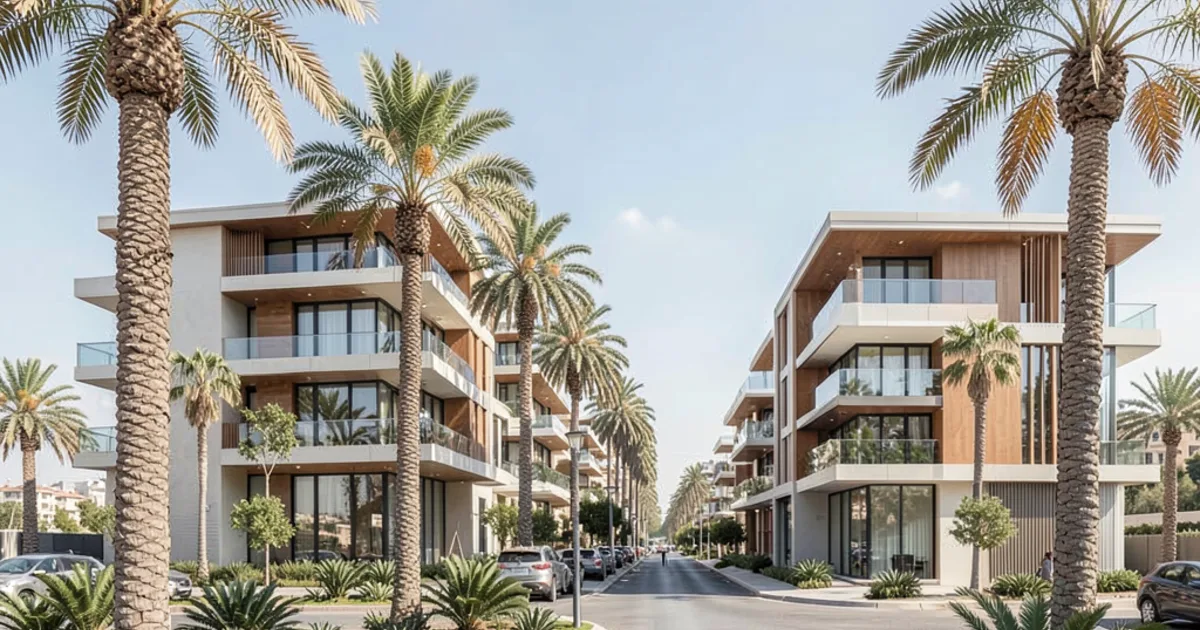
When considering property acquisition in Israel, particularly in vibrant and desirable locations like Jerusalem's Rehavia or Tel Aviv's Neve Tzedek, prospective homeowners often focus on purchase prices, Mas Rekhisha (purchase tax), and potential capital appreciation. However, an often-underestimated, yet significant, ongoing expense is Arnona, the municipal property tax. This comprehensive guide delves into how Arnona rates can differ substantially between these two iconic neighborhoods for a comparable 4-room apartment, offering crucial insights for primary residents, holiday homeowners, investors, and those preparing for Aliyah.
Quick answer: Arnona is a municipal tax in Israel that varies significantly based on the city, property size, and specific neighborhood. The cost for a 4-room apartment in Rehavia, Jerusalem, will differ from one in Neve Tzedek, Tel Aviv, due to different local government rates and property valuations.
- What Exactly is Arnona and How is it Calculated in Israel?
- Rehavia, Jerusalem: Understanding Arnona in a Historic and Prestigious Neighborhood
- Neve Tzedek, Tel Aviv: Arnona Considerations in a Bohemian Chic Enclave
- Direct Comparison: Rehavia vs. Neve Tzedek for a 4-Room Apartment
- Arnona Exemptions and Discounts: What Every Buyer Should Know
- Impact of Property Use: Primary Home, Holiday Home, or Investment Property
- Preparing for Aliyah: Arnona Considerations for New Immigrants
- The Importance of Due Diligence and Professional Advice
- Financial Planning: Budgeting for Arnona in Your Property Ownership
- Future Trends and Municipal Policy Changes Affecting Arnona
- Beyond Arnona: Other Ongoing Property Costs to Consider
What Exactly is Arnona and How is it Calculated in Israel?
Arnona is the annual municipal property tax levied by local authorities in Israel. It's a crucial revenue stream for cities and towns, funding essential public services such as sanitation, street maintenance, education, cultural institutions, and local infrastructure development. Unlike property taxes in some other countries that are primarily based on market value, Arnona in Israel is calculated using a more complex formula, primarily focusing on the property's size and its designated use.
The calculation methodology for Arnona is not uniformly applied across all municipalities. Each local authority sets its own rates and criteria, which are then approved by the Ministry of Interior and the Ministry of Finance. This decentralized approach means that even for very similar properties, the Arnona bill can vary significantly from one city to another, and even between different zones within the same city. This is a critical point of divergence that directly impacts our comparison.
The primary factor in Arnona calculation is typically the property's area, usually measured in square meters. However, municipalities can differentiate rates based on the type of property (residential, commercial, industrial), its specific location within the city, and sometimes even the age or condition of the building. Understanding these nuanced variations is paramount for accurate financial planning, as the annual cost can amount to a substantial sum.
Rehavia, Jerusalem: Understanding Arnona in a Historic and Prestigious Neighborhood
Rehavia, renowned for its stately Bauhaus architecture, tree-lined streets, and proximity to major cultural and governmental institutions, holds a unique position in Jerusalem's real estate landscape. Properties here are often larger, built to a high standard, and command premium prices. When it comes to Arnona, the Jerusalem municipality applies specific rates that reflect the city's overall financial needs and the perceived value of its various neighborhoods.
For a 4-room apartment in Rehavia, the Arnona calculation will primarily depend on its registered size in square meters. Jerusalem, like other major cities, categorizes residential properties and applies a per-square-meter rate. While we cannot provide exact figures, it's generally understood that older, well-maintained buildings in established areas like Rehavia might have a different rate structure compared to newer developments or less central locations within the city.
The municipality of Jerusalem also considers the property's classification. A residential apartment for a primary dwelling will have a different Arnona rate than a commercial office space or a short-term rental unit, even if they share the same physical address. Prospective buyers in Rehavia should anticipate that Arnona rates, while not as volatile as market prices, will reflect the neighborhood's established prestige and the city's ongoing operational costs.
Neve Tzedek, Tel Aviv: Arnona Considerations in a Bohemian Chic Enclave
Neve Tzedek, Tel Aviv's first Jewish neighborhood outside Jaffa, is characterized by its charming narrow streets, meticulously restored historic buildings, and a vibrant, bohemian atmosphere. It's a highly sought-after location, blending old-world charm with contemporary luxury, attracting a diverse mix of residents. Property values here are exceptionally high, reflecting its unique appeal and scarcity.
Tel Aviv-Yafo municipality calculates Arnona based on similar principles to Jerusalem, primarily the property's size in square meters, but with its own distinct rates and zoning classifications. For a 4-room apartment in Neve Tzedek, the per-square-meter Arnona rate will be applied. Given Tel Aviv's status as a global city with high operational costs and extensive public services, its Arnona rates are generally considered to be on the higher end of the spectrum nationally.
The historical nature of many properties in Neve Tzedek, often undergoing extensive renovations and expansions, means that accurate measurement and registration are crucial for Arnona purposes. Any additions or changes to the property's footprint that are not properly registered with the municipality could lead to discrepancies. Buyers in Neve Tzedek should be prepared for Arnona figures that align with the city's premium real estate market and its high cost of living.
Direct Comparison: Rehavia vs. Neve Tzedek for a 4-Room Apartment
When comparing Arnona for a hypothetical 4-room apartment of similar size in Rehavia, Jerusalem, and Neve Tzedek, Tel Aviv, several factors come into play beyond just the raw square footage. While both are prestigious neighborhoods, the underlying municipal rate structures and local government priorities can lead to noticeable differences in the annual Arnona bill. It's not simply a matter of one city being 'cheaper' than the other across the board.
Tel Aviv, as a major economic hub and a city with a high concentration of commercial activity, often has higher overall operating costs reflected in its municipal taxes. Jerusalem, while also a major city, has a different demographic and economic profile. Therefore, for a similarly sized residential unit, the Arnona rate per square meter in Neve Tzedek might be somewhat higher than in Rehavia. This is a general observation and not a definitive rule, as specific local zoning and property classifications within each city can introduce further variations.
The age and original construction of properties in both areas can also subtly influence Arnona. While not the primary determinant, a municipality might have different classifications or apply certain indices to older, historically significant buildings versus newer constructions, even if they are in the same general area. Ultimately, while both neighborhoods represent significant investments, the ongoing Arnona burden for a 4-room apartment could be tangibly different, warranting specific inquiry during due diligence.
Arnona Exemptions and Discounts: What Every Buyer Should Know
Understanding potential Arnona exemptions and discounts is crucial for mitigating this ongoing expense, especially for specific demographics. Israeli law provides for various reductions, though their availability and extent can differ between municipalities and are subject to change. It's important to investigate these possibilities thoroughly, as they can significantly impact the net annual cost of property ownership.
Commonly available discounts often include those for new Olim (immigrants), senior citizens, single-parent families, individuals with disabilities, and low-income households. The criteria for eligibility are strict and require specific documentation, often including proof of income, national insurance status, and residency. For Olim, there is typically a period of eligibility for a significant Arnona discount, which is a welcome relief during the initial stages of settling in Israel.
Furthermore, some municipalities offer discounts for properties that are considered 'empty' or unoccupied for a certain period, though these are often complex and designed to prevent properties from remaining vacant for extended times. It is imperative to consult directly with the relevant municipal Arnona department or a knowledgeable real estate professional to ascertain eligibility and the precise application process for any potential discounts or exemptions. Relying on outdated information can lead to financial miscalculations.
- New Olim: Generally eligible for a substantial discount for a limited period.
- Senior Citizens: May receive discounts based on age and income thresholds.
- Individuals with Disabilities: Specific criteria for physical or mental disabilities can qualify for reductions.
- Low-Income Households: Income-tested discounts are often available.
- Single Parents: May be eligible for support based on family status and income.
Impact of Property Use: Primary Home, Holiday Home, or Investment Property
The designated use of a property plays a significant role in determining its Arnona rate, a factor particularly relevant for international buyers. A property serving as a primary residence for an Israeli citizen or resident typically falls under a specific residential Arnona tariff. This is generally the base rate against which other uses are compared. The municipality aims to support primary residency, and therefore, these rates are often the most favorable.
When a property is utilized as a holiday home or a pied-à-terre, especially if it's not the owner's primary registered residence and is vacant for extended periods, the Arnona classification can become more complex. Some municipalities might apply a higher Arnona rate for 'empty' or secondary residential properties, or for properties not continuously inhabited by their registered owners. This is to discourage speculative ownership or to ensure that properties contribute fully to municipal services even when not permanently occupied. Buyers of holiday homes in Rehavia or Neve Tzedek should specifically inquire about these potential surcharges.
For investment properties, particularly those rented out for short-term stays (like AirBnB) or used for commercial purposes, the Arnona rate can escalate significantly. Municipalities often classify short-term rental units or properties used for business as 'commercial' for Arnona purposes, even if they are structurally residential. This reclassification can result in Arnona bills that are several times higher than those for a primary residential property. Before investing, it's crucial to understand the municipality's stance on short-term rentals and commercial use for Arnona calculations, as this can dramatically impact profitability.
Preparing for Aliyah: Arnona Considerations for New Immigrants
For individuals preparing for Aliyah, understanding Arnona is an essential component of financial planning for their new life in Israel. New Olim are typically granted a significant Arnona discount for a specified period after their Aliyah date, often for the first 12 months or longer, and sometimes on a portion of the property's size. This discount is a vital financial aid, helping new immigrants establish themselves without the full burden of municipal taxes immediately.
To avail of the Olim discount, new immigrants must formally register with the municipality where their property is located and provide their Teudat Oleh (Oleh certificate) and other relevant documentation. It's crucial to initiate this process promptly upon making Aliyah and acquiring property, as delays can lead to missing out on eligible reductions. The specific percentage and duration of the discount can vary between municipalities and are subject to change by government policy.
Beyond the initial discount, Olim should also be aware of the long-term Arnona implications. Once the initial discount period expires, the full Arnona rate for a primary resident will apply. Therefore, budgeting for this transition is important. Moreover, if the property is purchased before Aliyah and used as a holiday home, the Olim discount might not apply until the individual officially makes Aliyah and registers the property as their primary residence, highlighting the importance of timing and legal status.
The Importance of Due Diligence and Professional Advice
Navigating the complexities of Arnona, especially when comparing distinct municipalities like Jerusalem and Tel Aviv, underscores the critical importance of thorough due diligence. Relying solely on general information or anecdotal evidence can lead to significant financial surprises. Every property transaction in Israel should involve a comprehensive investigation into all associated costs, and Arnona is a major component of ongoing expenses.
Before finalizing any purchase agreement, it is strongly advised to obtain an up-to-date Arnona statement directly from the relevant municipality for the specific property in question. This statement will detail the current Arnona rate, any outstanding balances, and the property's classification. Your real estate lawyer, who will also be handling the Mas Rekhisha (purchase tax) and Mas Shevah (capital gains tax) implications, should explicitly request and review this document as part of their standard procedure.
Furthermore, engaging with a local real estate agent who specializes in either Rehavia or Neve Tzedek can provide invaluable insights into typical Arnona costs for similar properties in the area. They often have practical experience with the local municipal nuances and can help anticipate potential issues. For non-Hebrew speakers, ensuring that all Arnona-related documents are translated and clearly explained is paramount. The binding memorandum should ideally include clauses related to the clear status of municipal taxes at the time of transfer.
Financial Planning: Budgeting for Arnona in Your Property Ownership
Integrating Arnona into your overall financial planning for an Israeli property is as crucial as budgeting for Mashkanta (mortgage) payments, property maintenance, and insurance. Arnona is an annual, non-negotiable expense that can significantly impact your cash flow, whether you are a primary resident, a holiday homeowner, or an investor. Underestimating this cost can lead to unexpected financial strain.
For primary residents, Arnona is a fixed annual cost that needs to be factored into monthly or quarterly budgets. While it may not be as substantial as a mortgage payment, its consistent nature means it cannot be overlooked. For holiday homeowners, particularly those not eligible for primary resident discounts, the Arnona bill can be a more significant percentage of their annual property-related expenses, especially if the property is not generating rental income.
Investors, particularly those considering properties for rental income, must incorporate Arnona into their yield calculations. If the property is rented out for short-term stays and reclassified as commercial for Arnona purposes, this dramatically alters the net rental income. A comprehensive financial model for any investment property in Rehavia or Neve Tzedek must include projected Arnona costs, taking into account potential reclassifications or changes in municipal policy. It's not just about the purchase price and Mas Rekhisha; the ongoing operational costs, including Arnona, are vital for long-term financial health.
Future Trends and Municipal Policy Changes Affecting Arnona
Arnona rates and calculation methodologies are not static; they are subject to changes in municipal policy, government directives, and economic conditions. Local authorities regularly review their budgets and needs, which can lead to adjustments in Arnona tariffs. These changes, while typically incremental, can accumulate over time and impact long-term property ownership costs. Staying informed about local municipal politics and economic developments is therefore prudent for property owners.
For instance, a municipality might decide to invest heavily in new infrastructure projects, requiring an increase in Arnona across the board or in specific zones. Conversely, a push for urban regeneration in a particular area might come with temporary Arnona incentives to attract residents or businesses. These policy shifts can have direct implications for property owners in areas like Rehavia and Neve Tzedek, both of which are subject to ongoing urban development and preservation efforts.
Furthermore, national government policies can also influence local Arnona rates. The Ministries of Interior and Finance, which approve municipal Arnona tariffs, can issue guidelines or set limits on increases. Owners of properties in Israel should be aware that Arnona is a dynamic expense, and while it's generally predictable year-to-year, significant long-term changes are a possibility. This reinforces the need for ongoing vigilance and, when in doubt, consulting with professionals who specialize in Israeli property tax law.
Beyond Arnona: Other Ongoing Property Costs to Consider
While Arnona is a significant ongoing expense, it's crucial to remember that it's just one component of the total cost of property ownership in Israel. Prospective buyers in prestigious neighborhoods like Rehavia and Neve Tzedek must also factor in a range of other recurring expenses to gain a complete financial picture. Overlooking these can lead to an incomplete and potentially misleading budget.
Vaad Bayit (building maintenance fees) are ubiquitous in Israeli apartment buildings. These fees cover common area expenses such as cleaning, gardening, elevator maintenance, and building insurance. In high-end buildings in Rehavia or Neve Tzedek, with amenities like doormen, gyms, or swimming pools, Vaad Bayit can be substantial. These costs are determined by the residents' committee and are mandatory for all apartment owners.
Other crucial ongoing costs include utilities (electricity, water, gas, internet), property insurance (especially important for older, historic properties), and potential costs for property management if the owner resides abroad or wishes to delegate responsibilities. For investment properties, one must also account for potential periods of vacancy, marketing costs, and maintenance specific to rental units. A holistic view of all these expenses, including Arnona, is essential for a realistic assessment of property ownership in these desirable Israeli locations.
- Vaad Bayit (Building Maintenance Fees): Covers common areas, can be significant in luxury buildings.
- Utilities: Electricity, water, gas, internet, and communication services.
- Property Insurance: Essential for protecting your investment.
- Property Management Fees: If you reside abroad or prefer professional oversight.
- Repair and Maintenance: Ongoing upkeep, especially for older properties.
FAQ
Can Arnona rates change within the same neighborhood like Rehavia or Neve Tzedek?
Yes, Arnona rates can exhibit minor variations even within a single neighborhood. This can be due to specific zoning classifications, the age of the building, or unique property characteristics that might place it in a different municipal category than a seemingly similar property nearby.
Is it possible to pay Arnona in monthly installments?
Most Israeli municipalities offer the option to pay Arnona in monthly or bi-monthly installments, often through standing bank orders (Hora'at Keva). This can help manage cash flow, as the annual sum can be substantial, particularly for larger properties in prime locations.
What if I disagree with my Arnona assessment or property size?
If you believe your Arnona assessment is incorrect, you have the right to appeal to the municipal Arnona department. This typically involves submitting a formal request, often accompanied by a licensed surveyor's report if the dispute concerns the property's registered size. Professional legal advice is recommended for such appeals.
Does purchasing a property through a company affect Arnona rates?
Generally, Arnona rates are tied to the property itself and its designated use, not directly to the legal entity owning it. However, owning property through a company can have implications for other taxes, such as Mas Rekhisha and Mas Shevah, and complex corporate structures might be scrutinized differently by municipalities in specific circumstances.
Get your personalised shortlist
Listings and up-to-date info, straight to your inbox, free, no obligation.
Start my search →