Top 5 Emerging Neighborhoods for Real Estate Investment in Israel
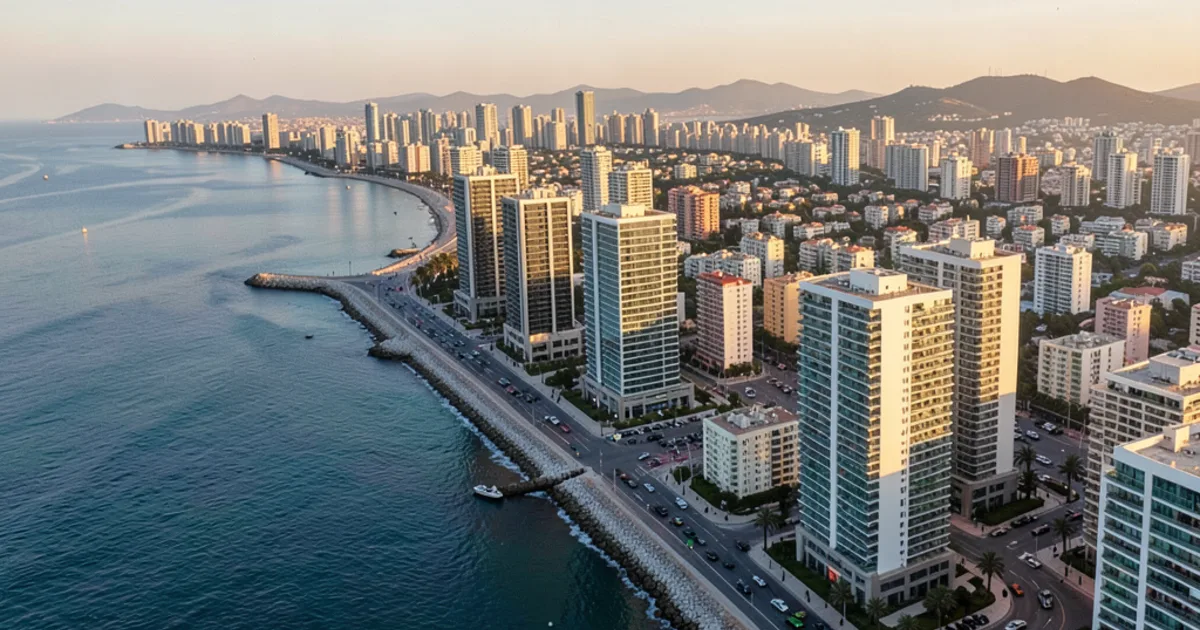
The Israeli real estate market is characterized by a unique blend of high demand, limited land availability, and rapid urban development. For investors and those planning Aliyah, finding the right location is the difference between a stagnant asset and a high-performing investment. This guide explores the emerging neighborhoods that are currently reshaping the country's economic landscape. We will also provide the essential legal and financial context required to navigate this complex market with confidence.
Quick answer: The best cities for real estate investment in Israel typically include Tel Aviv, Haifa, and Jerusalem, which offer strong market fundamentals. Emerging neighborhoods within these major urban centers often provide better value and growth potential compared to prime central locations.
- Why Invest in Emerging Israeli Neighborhoods?
- Defining Your Real Estate Strategy in Israel
- The Southern Tel Aviv and Jaffa Expansion
- The Coastal Growth and Luxury Corridor
- The Central Commuter Belt and Suburban Growth
- The Northern Urban Centers and Scenic Opportunities
- The Southern Gateway and Academic Influence
- Navigating the Legal and Financial Landscape
- Managing Your Investment from Abroad
- Preparing for Aliyah and Property Ownership
- Avoiding Common Pitfalls in the Israeli Market
Why Invest in Emerging Israeli Neighborhoods?
Investing in established urban centers often requires a significant capital outlay with the expectation of moderate, steady appreciation. However, the real opportunity for significant growth often lies in emerging neighborhoods that are currently undergoing transformation. These areas benefit from planned infrastructure improvements, new transport links, and the expansion of urban boundaries. By identifying these zones early, investors can capture value as the neighborhood matures and the local amenities improve.
The scarcity of land in Israel is a fundamental driver of property values across the country. As major metropolitan areas reach their density limits, the pressure to develop adjacent regions increases. This movement creates a ripple effect, where once-quiet outskirts become highly desirable residential hubs. This process is often accelerated by government initiatives aimed at decentralizing the population and improving connectivity between the center and the periphery.
Furthermore, the rise of the high-tech sector and the relocation of government offices are shifting the demand for housing. New employment hubs are being established outside of the traditional Tel Aviv core, creating a need for high-quality residential options in previously overlooked areas. When people move for work, they bring demand for schools, shopping centers, and services, which in turn drives up property values in the surrounding neighborhoods.
- Capital appreciation potential in undervalued zones.
- Infrastructure-driven growth from new transit lines.
- Demographic shifts caused by decentralization policies.
- Increased demand from the expanding tech workforce.
Defining Your Real Estate Strategy in Israel
Before committing capital, it is vital to define your primary objective, as the Israeli market caters to vastly different needs. A primary home buyer focuses on lifestyle, proximity to schools, and long-term stability. In contrast, an investor seeking rental yield must prioritize areas with high occupancy rates and a consistent influx of young professionals or students. Your strategy will dictate which neighborhoods you target and how much risk you are willing to assume.
For those preparing for Aliyah, the property search is often intertwined with the integration process. A home in this context is not just an asset, but a foundation for a new life. These buyers may prioritize proximity to Ulpan centers, Jewish Agency support services, and established community infrastructures. The emotional and logistical requirements of Aliyah often lead to a preference for neighborhoods that offer a sense of community and ease of transition.
There is also the 'pied-à-terre' or holiday home segment, which targets individuals who spend significant time in Israel but maintain residences elsewhere. These buyers often look for coastal locations or areas with high tourism potential. While these properties may offer lower rental yields than urban apartments, they provide significant lifestyle value and can serve as a hedge against inflation in a stable, appreciating market.
- Primary Residence: Focus on lifestyle and community.
- Rental Investment: Focus on yield and high demand.
- Aliyah Preparation: Focus on integration and services.
- Holiday Home: Focus on tourism and scenic value.
The Southern Tel Aviv and Jaffa Expansion
The southern reaches of the Tel Aviv metropolitan area, including parts of Jaffa, are undergoing a profound transformation. Once considered peripheral to the central business district, these areas are being revitalized through massive urban renewal projects. The influx of creative industries and tech startups has brought a new demographic to the area, driving demand for modern apartments in historic settings. This gentrification process is creating significant opportunities for early-stage investors.
Infrastructure projects, such as the expansion of light rail systems, are making these southern neighborhoods more accessible to the rest of the country. Improved connectivity reduces the 'distance penalty' that previously kept these areas from reaching their full potential. As commuting becomes easier, the demand for housing in these high-character neighborhoods continues to rise, supporting long-term value growth.
However, investors should be aware of the complexities involved in urban renewal. Many properties in this region are part of Pinui Binui (demolition and reconstruction) schemes. While these projects can dramatically increase the value of a property, they also involve long timelines and complex legal negotiations with developers and the municipality. A thorough due diligence process is mandatory to understand the specific status of any building in this area.
The Coastal Growth and Luxury Corridor
The coastline stretching from the northern reaches of Netanya toward the Herzliya periphery represents one of the most resilient real estate segments in Israel. This corridor is characterized by high demand for sea-view properties and premium residential developments. The combination of Mediterranean lifestyle appeal and proximity to major economic hubs makes this a magnet for high-net-worth individuals and international buyers.
Growth in this region is often driven by the development of high-end amenities, including luxury marinas, upscale shopping districts, and manicured public spaces. As these amenities become more established, the surrounding residential neighborhoods see a corresponding increase in desirability. This creates a cycle of continuous appreciation, particularly for new construction that meets modern luxury standards.
Investors in this corridor should distinguish between established luxury zones and emerging high-end pockets. While the most famous areas may already have high entry prices, the surrounding peripheries often offer better value while still benefiting from the prestige of the coastal lifestyle. Monitoring municipal planning for new beachfront developments can provide clues about where the next wave of luxury growth will occur.
- High demand for sea-view and premium assets.
- Strong resilience to broader market fluctuations.
- Growth driven by high-end lifestyle amenities.
- Proximity to major economic and tech hubs.
The Central Commuter Belt and Suburban Growth
As the core cities become increasingly expensive, the central commuter belt, encompassing areas around Rishon LeZion and Holon, has become a primary target for middle-class families and young professionals. These neighborhoods offer a more balanced price-to-value ratio compared to the center of Tel Aviv. They provide essential services, modern infrastructure, and a sense of community that appeals to those working in the metropolitan core but seeking more space.
The expansion of the rail network has been a game-changer for this region. Reliable, high-speed transit allows residents to enjoy a suburban lifestyle without sacrificing easy access to their workplaces. This connectivity has turned many previously quiet suburbs into bustling residential hubs. As more people opt for these areas, the demand for both rental and purchase options continues to climb.
For the rental investor, this belt offers a highly stable market. The demographic of young families and commuting professionals provides a consistent tenant base with reliable income. While the appreciation may not be as explosive as in the most central districts, the combination of steady rental yields and consistent value growth makes this a prudent choice for long-term wealth building.
The Northern Urban Centers and Scenic Opportunities
The northern region of Israel, particularly the urban centers surrounding Haifa, offers a different investment profile. Here, one can find a mix of industrial strength, academic influence, and stunning natural beauty. The presence of major universities and medical centers ensures a steady demand for housing from students, researchers, and healthcare professionals, providing a reliable foundation for the rental market.
The northern markets often present a lower entry point compared to the central districts, making them attractive to investors looking to diversify their portfolios. As the government continues to invest in northern infrastructure and regional development, these areas are seeing a gradual increase in desirability. The combination of lower initial costs and significant growth potential makes the north a strategic choice for those with a longer investment horizon.
Investors should look closely at neighborhoods that benefit from both urban convenience and proximity to nature. Areas that offer easy access to the Galilee or the Mediterranean coast while maintaining strong ties to the regional economic hubs are particularly well-positioned. The goal is to find the intersection of lifestyle appeal and economic stability.
- Lower entry costs compared to the central region.
- Stable rental demand from academic and medical sectors.
- Growth potential driven by northern development initiatives.
- Unique appeal of combining urban life with scenic nature.
The Southern Gateway and Academic Influence
Beersheba and the surrounding Negev developments represent one of the most significant long-term growth stories in Israel. The city is evolving into a major high-tech and research hub, largely driven by the presence of Ben-Gurion University and various government-backed innovation initiatives. This academic and technological foundation is creating a new ecosystem of high-skilled workers who require modern, high-quality housing.
The strategic importance of the south is also being bolstered by national efforts to relocate various government agencies and industries to the region. This top-down approach to economic development is designed to create a more balanced national economy and is leading to massive investments in local infrastructure, including new roads, schools, and commercial centers. These developments are laying the groundwork for sustained urban growth.
For investors, the southern gateway offers a high-reward opportunity, albeit with a different risk profile than the center. The growth is more closely tied to government policy and large-scale institutional shifts. Those who can identify the specific neighborhoods that will benefit most from these planned expansions stand to see significant long-term appreciation as the region matures into a primary economic center.
Navigating the Legal and Financial Landscape
Purchasing property in Israel requires a firm understanding of the local legal and tax frameworks. The first critical step is verifying the property's status in the Tabu, the official land registry. The Tabu provides the definitive record of ownership and is essential for ensuring that the seller has the legal right to transfer the property. A qualified lawyer must conduct a thorough search in the Tabu to identify any existing liens, mortgages, or legal encumbrances that could jeopardize your investment.
Taxation is a significant component of the transaction and must be factored into your financial planning. Mas Rekhisha, or purchase tax, is levied on the buyer and the rate is progressive, varying significantly based on whether the property is your primary residence or a secondary investment. Furthermore, when you eventually sell the property, you will be subject to Mas Shevah, which is the capital gains tax. Understanding the interplay between these taxes is vital for calculating your net return.
Financing is typically handled through a Mashkanta, or mortgage. Israeli banks have specific criteria for lending, and the process can be more complex for non-residents or those with foreign income. It is advisable to work with professionals who can navigate the documentation required by local financial institutions. Additionally, remember to budget for recurring costs such as Arnona (municipal property tax) and communal maintenance fees, which are mandatory for all owners.
- Tabu: Crucial for verifying legal ownership and liens.
- Mas Rekhisha: Progressive purchase tax based on usage.
- Mas Shevah: Capital gains tax upon sale.
- Mashkanta: Mortgage financing through local banks.
- Arnona: Mandatory municipal property tax.
Managing Your Investment from Abroad
Managing Israeli real estate from another country requires a proactive and organized approach. While digital tools have made many aspects of property management easier, the physical nature of real estate still necessitates local oversight. You will need a reliable system for handling routine maintenance, emergency repairs, and tenant relations. Without a local presence, minor issues can quickly escalate into costly problems.
One of the most important tasks is the management of recurring obligations, such as the payment of Arnona and communal building fees. Failure to manage these can lead to legal issues with the municipality or friction with the building's management committee. Many overseas investors choose to engage a professional property management service to handle these tasks, ensuring that the property remains in good standing and the tenants remain satisfied.
Communication is the cornerstone of successful remote management. It is essential to have a clear line of contact with your local representatives, whether they are a law firm, a property manager, or a local agency. Establishing these relationships before any issues arise is key to maintaining a smooth operation. A well-structured management plan turns a remote investment from a source of stress into a passive income stream.
Preparing for Aliyah and Property Ownership
For those planning Aliyah, property ownership is often a central part of the transition. Integrating into a new country involves more than just finding a place to live; it involves establishing roots. This is why many newcomers prioritize neighborhoods with strong community support and proximity to essential services. The Jewish Agency and other public institutions play a vital role in this process, providing guidance that can assist in the settlement journey.
Language and local knowledge are indispensable tools during this period. Enrolling in an Ulpan to learn Hebrew will not only aid in your daily life but will also significantly improve your ability to navigate legal and financial transactions. Understanding the local terminology, from the nuances of a binding memorandum to the specifics of a Mashkanta, will empower you to make informed decisions and advocate for your interests.
It is also important to view property ownership through the lens of long-term integration. A home purchased during the early stages of Aliyah may serve as a temporary residence, but its potential for appreciation makes it a strategic asset for the future. By aligning your property search with your personal and professional integration goals, you can build a foundation that supports both your lifestyle and your financial security.
Avoiding Common Pitfalls in the Israeli Market
The Israeli real estate market offers great opportunities, but it is not without its risks. One of the most common pitfalls is failing to conduct adequate due diligence. This includes not just checking the Tabu, but also verifying the building's compliance with municipal zoning laws and ensuring that all previous construction was properly permitted. A mistake in this area can lead to significant legal battles or even the inability to use certain parts of a property.
Another area of concern is the complexity of urban renewal projects like Pinui Binui. While these projects promise modern living and increased value, they are often subject to lengthy delays and changing regulations. Investors who enter these projects without a clear understanding of the timeline and the legal structure of the agreement may find their capital tied up for much longer than anticipated. Always seek professional legal counsel to interpret these specific contracts.
Finally, many investors overlook the 'hidden' costs of ownership. Beyond the initial purchase tax, there are legal fees, notary costs, and moving expenses. Once you own the property, you must account for the ongoing costs of Arnona, insurance, and maintenance. Failing to include these in your initial financial model can lead to unexpected cash flow issues, particularly in the rental market where margins may be tighter than expected.
- Inadequate due diligence on property titles and permits.
- Miscalculating timelines for urban renewal (Pinui Binui).
- Underestimating recurring costs like Arnona and maintenance.
- Ignoring the impact of municipal zoning changes.
FAQ
What is the difference between Mas Rekhisha and Mas Shevah?
Mas Rekhisha is the purchase tax paid by the buyer at the time of acquisition, with rates varying based on whether the property is a primary residence. Mas Shevah is the capital gains tax paid by the seller when the property is eventually sold, calculated based on the profit made.
Can I buy property in Israel as a non-resident?
Yes, non-residents can purchase property in Israel, but they should be aware of specific tax implications and potential restrictions on certain types of land. It is highly recommended to consult with a local lawyer to ensure all legal requirements are met for foreign buyers.
How does the Tabu land registry work?
The Tabu is the official government registry that records all real estate ownership and legal rights associated with land in Israel. Checking the Tabu is a fundamental step in any transaction to ensure the seller is the legal owner and that no undisclosed mortgages or liens exist.
What should I consider when investing in an urban renewal project?
Urban renewal projects, such as Pinui Binui, can offer high appreciation but involve significant risks regarding timing and legal complexity. You should carefully review the binding memorandum and consult a lawyer to understand the project's timeline, the developer's track record, and your rights as an owner.
Get your personalised shortlist
Listings and up-to-date info, straight to your inbox, free, no obligation.
Start my search →