What are the best neighborhoods in Ashkelon for young professionals looking for affordable housing and community?
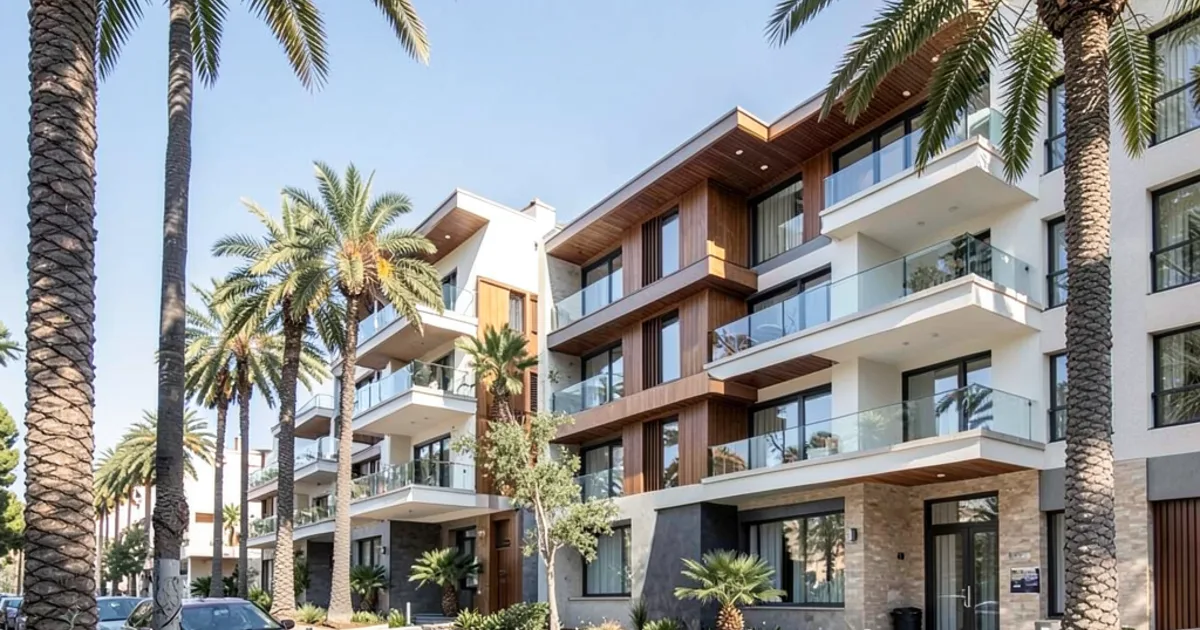
Ashkelon, a historic and rapidly developing city on Israel's southern Mediterranean coast, is increasingly catching the eye of young professionals. Offering a compelling blend of affordability, quality of life, and a growing job market, it presents an attractive alternative to the more expensive central regions. This comprehensive guide from BuyHouseIsrael delves into the best neighborhoods for those seeking not just a house, but a vibrant community and a smart investment in their future, whether for primary residence, a holiday home, or as part of their Aliyah journey.
Quick answer: Ashkelon offers affordable housing options for young professionals, with neighborhoods providing a balance of modern amenities and community life. This guide highlights key areas to consider for those seeking value and connectivity in the city.
- Why Ashkelon is Becoming a Hub for Young Professionals
- Key Considerations for Young Professionals: Affordability & Lifestyle
- Neighborhood Spotlight: Barnea, Modern Living with Coastal Access
- Neighborhood Spotlight: Afridar, Established Charm and Green Spaces
- Neighborhood Spotlight: Migdal, Centrality and Urban Convenience
- Understanding the Israeli Real Estate Market for Buyers
- Essential Steps for Purchasing Property in Ashkelon
- Community Integration for Young Professionals and Olim
- Investment Potential and Future Outlook for Ashkelon
Why Ashkelon is Becoming a Hub for Young Professionals
Ashkelon's appeal to young professionals stems from several key factors that differentiate it from other major Israeli cities. Primarily, the cost of living, particularly housing, remains significantly more accessible compared to Tel Aviv or even Beersheva, allowing for a higher quality of life and greater financial stability. This affordability doesn't come at the expense of amenities; the city boasts beautiful beaches, a modern marina, and a growing number of cultural and recreational facilities that cater to an active lifestyle.
Beyond just economics, Ashkelon is experiencing a demographic shift, with an increasing influx of younger families and individuals contributing to a more dynamic and youthful atmosphere. The city's municipal efforts to attract high-tech companies and develop its infrastructure are also creating new employment opportunities, making it a viable place not just to live, but to build a career. This blend of economic opportunity and lifestyle benefits positions Ashkelon as a strategic choice for those looking to establish roots in Israel.
The city's strategic location also plays a role, offering reasonable commuting times to larger economic hubs while providing the tranquility of a coastal environment. For those considering Aliyah, Ashkelon offers a supportive community and a more gentle introduction to Israeli life, often with readily available resources for integration. The combination of burgeoning industry, natural beauty, and community focus makes Ashkelon a compelling proposition for the demographic seeking value and social integration.
Key Considerations for Young Professionals: Affordability & Lifestyle
For young professionals, the balance between housing affordability and desired lifestyle is paramount. In Ashkelon, this often translates to seeking neighborhoods that offer modern apartments or smaller homes within a reasonable budget, without sacrificing proximity to essential services, entertainment, or green spaces. The goal is to find a place where a significant portion of income isn't consumed by housing costs, allowing for savings, investments, and leisure activities.
Lifestyle considerations extend beyond just the property itself, encompassing the surrounding environment. Access to public transportation, proximity to cafes, restaurants, gyms, and cultural venues are important factors that contribute to a fulfilling urban experience. Many young professionals also prioritize areas with parks, cycling paths, or immediate access to the beach for outdoor recreation, enhancing their overall well-being and social life.
Furthermore, the sense of community is crucial. Neighborhoods that foster social interaction, perhaps through local events, shared amenities, or a visible presence of other young residents, are highly desirable. This aspect is particularly important for newcomers to Israel or those moving from other parts of the country, as it facilitates integration and the building of a support network, making the transition smoother and more enjoyable.
Neighborhood Spotlight: Barnea, Modern Living with Coastal Access
Barnea is consistently cited as one of Ashkelon's most desirable neighborhoods, particularly appealing to young professionals and families. Characterized by relatively newer construction, including modern apartment buildings and well-maintained public spaces, it offers a contemporary living environment. Its proximity to the beach is a major draw, providing residents with easy access to recreational activities and stunning Mediterranean views, which significantly enhances its lifestyle appeal.
From an affordability standpoint, while Barnea might be on the higher end compared to some older Ashkelon neighborhoods, it still represents excellent value when benchmarked against similar coastal areas in central Israel. The quality of housing, infrastructure, and amenities often justifies the investment, especially considering the potential for property value appreciation. It's an area where you get a significant amount of modern comfort and convenience for your money.
The community in Barnea is diverse yet cohesive, with a notable presence of young families and professionals. The neighborhood boasts good educational institutions, local shopping centers, and easy access to the main roads leading out of Ashkelon. For those seeking a blend of modern amenities, coastal charm, and a vibrant community, Barnea stands out as a prime candidate for establishing a long-term home.
Neighborhood Spotlight: Afridar, Established Charm and Green Spaces
Afridar, one of Ashkelon's older and more prestigious neighborhoods, offers a distinct character that appeals to those who appreciate established charm and a sense of history. Known for its tree-lined streets, spacious homes, and well-maintained gardens, Afridar provides a more serene and leafy environment compared to some of the newer, more densely built areas. While some properties might require renovation, this often presents an opportunity to acquire a larger plot or a home with unique architectural features.
Despite its established reputation, Afridar can still offer pockets of affordability, especially for those willing to consider properties that aren't newly built. The value here often lies in the land size, the mature infrastructure, and the neighborhood's excellent location. It's typically within walking distance to some of Ashkelon's most beautiful beaches and the marina, offering unparalleled access to leisure and recreation without needing a car.
The community in Afridar is well-established, with a mix of long-term residents and newer families attracted to its peaceful atmosphere and amenities. It boasts several cultural centers, synagogues, and local shops, fostering a strong sense of local identity. For young professionals who value green spaces, a quieter environment, and proximity to key attractions, Afridar provides a compelling option, often allowing for renovations to create a modern interior within a classic framework.
Neighborhood Spotlight: Migdal, Centrality and Urban Convenience
Migdal, often considered the historical heart of Ashkelon, offers a vibrant, bustling atmosphere characterized by its centrality and urban convenience. This neighborhood is ideal for young professionals who prioritize being close to the action, with immediate access to a wide array of shops, markets, restaurants, and public services. It represents a more traditional Israeli urban living experience, with a dynamic energy that appeals to those who enjoy city life.
In terms of affordability, Migdal generally offers some of the most competitive housing prices in Ashkelon, making it an excellent entry point for first-time buyers or those with a more constrained budget. While properties may be older, and apartments potentially smaller, the value is in the location and the opportunities for community engagement. Renovation projects in Migdal can yield significant returns, transforming older units into modern, desirable living spaces.
The community in Migdal is diverse and active, reflecting its status as a central hub. It's a neighborhood where people often know their neighbors, and local businesses thrive. Public transportation is readily accessible, and many amenities are within walking distance, reducing reliance on a private vehicle. For young professionals seeking an authentic urban experience, affordability, and a strong sense of local community, Migdal presents a robust and engaging option.
Understanding the Israeli Real Estate Market for Buyers
Navigating the Israeli real estate market requires an understanding of its unique processes and terminology. Unlike some other countries, property transactions often begin with a 'binding memorandum of understanding' (Zichron Devarim) before moving to a full contract, which is a legally significant step. It's crucial to engage a knowledgeable real estate lawyer from the outset to protect your interests and ensure all documentation is properly vetted, including checking the Tabu (land registry) for clear ownership and any encumbrances.
Financing a property in Israel typically involves securing a 'Mashkanta' (mortgage) from a local bank. The process can be intricate, requiring extensive documentation and a review of your financial history. Buyers should be prepared for varying interest rates and loan-to-value ratios, which can be influenced by factors such as your residency status, income stability, and credit history. It's advisable to get pre-approval for a mortgage to understand your budget before seriously looking at properties.
Beyond the purchase price, buyers must account for various taxes and fees. The primary one is 'Mas Rekhisha' (purchase tax), which is a progressive tax based on the property's value and whether it's your sole residence. For new Olim (immigrants), there may be certain exemptions or reduced rates for a limited period. Other costs include lawyer fees, agent commissions, and potentially a surveyor's fee. Understanding these additional expenses upfront is vital for accurate financial planning.
Essential Steps for Purchasing Property in Ashkelon
The journey to buying a home in Ashkelon begins with defining your budget and priorities. This involves not only the purchase price but also factoring in Mas Rekhisha, legal fees, agent commissions, and potential renovation costs. Once your financial parameters are clear, engaging a reputable real estate agent who specializes in Ashkelon properties is highly recommended. They can provide invaluable insights into specific neighborhoods, market trends, and access to listings not always publicly advertised.
Once you've identified a suitable property, the next critical step is to engage an experienced Israeli real estate lawyer. This legal professional will conduct due diligence, checking the Tabu (land registry) for ownership, liens, and building permits, and reviewing all contracts. They will guide you through the negotiation process, ensuring that the 'Zichron Devarim' (binding memorandum) and the final purchase agreement adequately protect your rights and interests.
Securing a Mashkanta (mortgage) is a parallel process that often begins once you have a serious property in mind. Israeli banks require extensive documentation, so preparing your financial records, income statements, and any relevant residency paperwork in advance will streamline the application. Finally, after signing the purchase agreement and arranging financing, the transfer of ownership is registered at the Tabu, and you become the legal owner of your new home in Ashkelon.
Community Integration for Young Professionals and Olim
For young professionals and new Olim (immigrants) in Ashkelon, active community integration is key to a fulfilling experience. The city offers various avenues for connecting with others, from local sports clubs and cultural centers to volunteer opportunities. Engaging in these activities not only helps in building a social network but also provides a deeper understanding of Israeli society and culture, which is invaluable for long-term settlement.
Learning Hebrew is arguably one of the most significant steps towards integration. Ashkelon, like many Israeli cities, offers 'Ulpan' programs, intensive Hebrew language courses designed for new immigrants. Participating in an Ulpan not only accelerates language acquisition but also serves as a crucial social hub, connecting you with other Olim who are navigating similar experiences. Many Ulpan centers also provide information about local services and community events.
Beyond formal programs, simply engaging with local businesses, attending neighborhood events, and being open to interactions with neighbors can significantly enhance your sense of belonging. Ashkelon's welcoming atmosphere often facilitates these connections, making it easier to forge friendships and find your place within the community. Embracing the local culture and participating in city life will transform Ashkelon from just a place to live into a true home.
Investment Potential and Future Outlook for Ashkelon
Ashkelon's real estate market presents an intriguing investment opportunity, particularly for those with a long-term perspective. The city's ongoing development, including new residential projects, commercial centers, and infrastructure upgrades, suggests a trajectory of continued growth. As more young professionals and families are drawn to its affordability and quality of life, demand for housing is likely to remain robust, potentially leading to property value appreciation over time.
The municipal government's strategic focus on urban renewal and attracting new industries contributes significantly to the city's future outlook. Investments in improving public services, enhancing green spaces, and fostering a vibrant cultural scene make Ashkelon an increasingly attractive place to live and work. These factors collectively bolster the city's appeal, making it a compelling candidate for both primary residences and real estate investments.
While no investment is without risk, Ashkelon's position as a coastal city with relatively lower entry prices compared to central Israel, combined with its demographic growth and urban development plans, suggests positive potential. For investors, whether looking for rental income or long-term capital gains, Ashkelon offers a market that is still maturing but shows strong indicators of sustainable growth, making it a noteworthy consideration in the Israeli real estate landscape.
FAQ
What are the typical property types available for young professionals in Ashkelon?
Young professionals in Ashkelon can find a variety of property types, including modern apartments in newer buildings, renovated units in older, more central neighborhoods, and occasionally smaller townhouses or duplexes. The choice often depends on budget and preference for new construction versus established character.
Are there specific grants or benefits for new immigrants (Olim) buying property in Ashkelon?
New Olim may be eligible for reduced Mas Rekhisha (purchase tax) rates on their first property for a limited period after making Aliyah. Additionally, some government mortgage programs offer favorable terms or grants, depending on specific criteria and current policies. It's essential to consult with a financial advisor or Aliyah agency for the most up-to-date information.
How is public transportation in Ashkelon, and is it necessary to own a car?
Ashkelon has a developing public transportation system with bus routes connecting various neighborhoods and a train station providing access to central Israel. While many residents find a car beneficial for convenience, especially for commuting outside the city or exploring, living in central neighborhoods like Migdal or Afridar can make car-free living more feasible due to proximity to amenities.
What is 'Arnona' and how does it impact housing costs in Ashkelon?
'Arnona' is a municipal property tax paid by residents in Israel, similar to council tax or property rates. The amount varies based on the property size, location, and classification (residential, commercial). It's an ongoing expense that should be factored into your monthly housing budget, in addition to mortgage payments and utility costs.
Get your personalised shortlist
Listings and up-to-date info, straight to your inbox, free, no obligation.
Start my search →