What are the pros and cons of using a mortgage broker vs. direct bank application for an oleh in Kfar Sava?
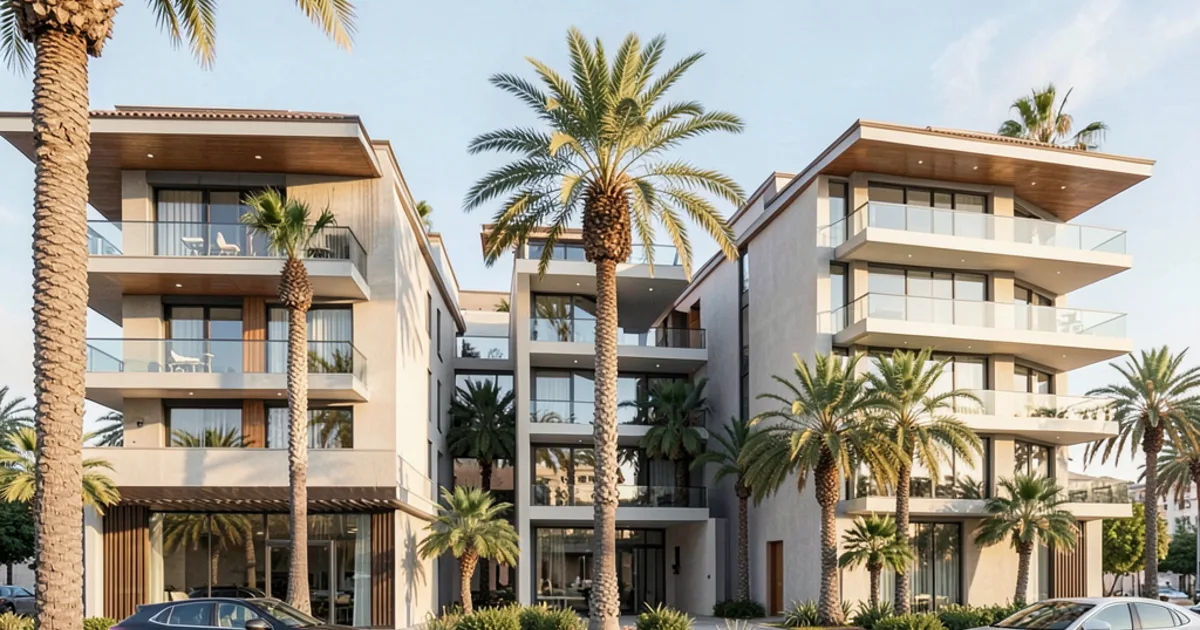
For Olim Chadashim (new immigrants) settling in the vibrant community of Kfar Sava, securing a mortgage is a critical step towards establishing a new life. The decision of whether to engage a mortgage broker or approach banks directly can profoundly impact the ease, speed, and ultimately, the cost of your home purchase. This in-depth guide will meticulously explore the pros and cons of each approach, offering nuanced advice tailored to the unique circumstances of an Oleh in Israel, ensuring you make an informed choice for your primary home, holiday residence, or investment property.
- Understanding the Oleh's Unique Mortgage Landscape in Israel
- The Mortgage Broker: Your Advocate in the Israeli Financial Labyrinth
- Direct Bank Application: Taking the Reins Yourself
- Cost Implications: Broker Fees vs. Potential Savings
- Time and Efficiency: A Critical Factor for New Immigrants
- Expertise and Navigating Oleh-Specific Benefits
- Language and Cultural Barriers: Easing the Transition
- Negotiation Power and Market Insight
- The Importance of Due Diligence: Choosing Your Broker or Bank
- Specific Considerations for Kfar Sava Property Types
- Preparing for Aliyah: Pre-Mortgage Planning
Understanding the Oleh's Unique Mortgage Landscape in Israel
Olim Chadashim face a distinct set of challenges and opportunities when seeking a mortgage in Israel. Unlike native-born Israelis, new immigrants often lack an established credit history within the Israeli financial system, which can complicate initial loan applications. Furthermore, income sources might be from abroad, requiring specific documentation and translation to be recognized by Israeli banks.
The Israeli government, through various ministries, offers specific benefits and programs designed to assist Olim with housing, which can influence mortgage eligibility and terms. These programs, such as those related to Mas Rekhisha (purchase tax) reductions or special loan guarantees, are not always universally understood by all bank representatives. A thorough understanding of these nuances is paramount for a successful mortgage application.
Moreover, the language barrier, even for English speakers, can sometimes obscure critical details in complex financial contracts. Legal terminology, banking jargon, and the intricacies of Israeli property law (e.g., Tabu land registry) demand careful attention. This unique confluence of factors makes the mortgage acquisition process a significant hurdle for many new arrivals in Kfar Sava.
The Mortgage Broker: Your Advocate in the Israeli Financial Labyrinth
A mortgage broker acts as an intermediary between you and various lending institutions, offering a professional service designed to streamline the mortgage application process. For an Oleh in Kfar Sava, a broker can be particularly valuable due to their deep understanding of the Israeli banking system and the specific requirements for new immigrants. They are often well-versed in the special programs and benefits available to Olim.
Brokers typically have established relationships with multiple banks, allowing them to present your financial profile to several lenders simultaneously. This can save you considerable time and effort, as you avoid the need to individually visit and negotiate with each bank. Their expertise often extends to packaging your application in the most favorable light, highlighting strengths and mitigating potential weaknesses.
Beyond just finding a loan, a good broker can provide comprehensive guidance on related aspects of the purchase, such as understanding Mas Rekhisha implications, navigating the legal complexities of the binding memorandum, and even advising on property valuations in Kfar Sava. Their role is to be your expert guide and advocate throughout the entire journey.
**Pros of using a Mortgage Broker:**
**Cons of using a Mortgage Broker:**
- **Time Savings:** Significantly reduces the time and effort you spend researching and applying to multiple banks.
- **Access to Exclusive Deals:** May have access to special rates or terms not always offered directly to individual applicants.
- **Expertise for Olim:** Deep understanding of Oleh benefits, foreign income recognition, and Israeli financial regulations.
- **Negotiation Power:** Can leverage relationships and knowledge to negotiate better terms on your behalf.
- **Holistic Advice:** Offers guidance beyond just the mortgage, including tax implications and legal aspects.
- **Reduced Language Barrier:** Many brokers offer services in English, simplifying communication.
- **Cost:** Brokers charge a fee for their services, which can be a flat fee or a percentage of the loan amount.
- **Potential Bias:** While professional, some brokers might lean towards banks with whom they have stronger relationships.
- **Less Direct Control:** You delegate much of the process, which some individuals prefer to manage personally.
Direct Bank Application: Taking the Reins Yourself
Applying for a mortgage directly with a bank means you are solely responsible for all aspects of the process. This involves researching different banks, understanding their specific requirements, gathering all necessary documentation, and conducting all negotiations yourself. For some Olim, this hands-on approach offers a sense of greater control and transparency.
Each bank has its own set of policies, interest rates, and loan products. You would need to schedule appointments with various banks in Kfar Sava or nearby cities, present your financial situation, and compare the offers received. This can be a time-consuming endeavor, especially if you are also managing the complexities of settling into a new country and perhaps attending ulpan.
While seemingly straightforward, the direct approach demands a significant investment of time and a solid understanding of financial terminology in Hebrew, or reliance on excellent translation services. You would be the primary point of contact for all inquiries, documentation requests, and follow-ups, requiring diligence and persistence. This path is often chosen by those who feel confident in their financial literacy and their ability to navigate bureaucratic processes.
**Pros of Direct Bank Application:**
**Cons of Direct Bank Application:**
- **No Broker Fees:** You save the cost of the broker's service fee.
- **Direct Communication:** You interact directly with the bank, fostering a personal relationship.
- **Full Control:** You manage every aspect of the application process yourself.
- **Potential for Learning:** A deep dive into the Israeli banking system can be an educational experience.
- **Time-Consuming:** Requires significant personal time for research, appointments, and follow-ups.
- **Limited Negotiation Power:** As an individual, you may have less leverage to negotiate favorable terms compared to a broker.
- **Lack of Comparative Insight:** Without a broker, it's harder to know if you're getting the best deal across the market.
- **Language and Bureaucracy Barriers:** Navigating complex financial terms and administrative hurdles in a new language can be challenging.
- **Less Awareness of Oleh Benefits:** Bank representatives might not always be fully updated on all specific Oleh mortgage benefits.
Cost Implications: Broker Fees vs. Potential Savings
One of the most immediate considerations when comparing these two paths is the financial cost. A mortgage broker charges a fee for their services, which can vary significantly depending on the complexity of your case and the loan amount. This fee is typically paid upon successful mortgage approval, though some may require an upfront retainer. It's crucial to clarify the exact fee structure at the outset.
While direct bank applications avoid this broker fee, it's important to consider the 'hidden costs' of your time and potential missed savings. A skilled broker, through their negotiation power and access to a wider range of products, might secure a mortgage with a lower interest rate or more favorable terms than you could achieve on your own. Over the lifespan of a Mashkanta (mortgage), even a small percentage point difference in interest can translate into substantial savings, potentially dwarfing the broker's fee.
Therefore, the decision should not solely rest on the presence or absence of a broker fee. A comprehensive cost analysis must factor in not only the direct charges but also the potential long-term financial benefits or drawbacks of each approach. For an Oleh, the value of expert guidance in a new financial system often outweighs the initial outlay for a broker's services, especially when considering the complexity of foreign income or unique Oleh benefits.
**Broker Fee Considerations:**
**Potential Savings from Broker:**
- Typically a flat fee or a percentage of the loan amount.
- Usually paid upon successful mortgage approval.
- Always clarify the fee structure upfront, including what services are covered.
- Lower interest rates over the loan term.
- More favorable repayment schedules or terms.
- Access to special Oleh-specific mortgage programs.
- Avoidance of costly mistakes or delays due to inexperience.
Time and Efficiency: A Critical Factor for New Immigrants
For Olim in Kfar Sava, time is often a precious commodity. Juggling the intricacies of Aliyah, settling into a new community, perhaps learning Hebrew at an ulpan, and starting a new job leaves little room for extensive financial research and administrative tasks. This is where the efficiency offered by a mortgage broker can be a significant advantage.
A broker acts as a single point of contact, managing the communication with multiple banks, preparing documentation, and tracking the application progress. This consolidates the process, freeing up your time to focus on other essential aspects of your integration into Israeli society. They can often expedite the process due to their familiarity with bank procedures and direct lines of communication.
Conversely, a direct bank application demands a considerable time investment. You will need to dedicate hours to researching, scheduling and attending multiple bank meetings, translating documents, and personally following up on every detail. While this offers control, it can also lead to delays, especially if you are unfamiliar with the specific requirements or encounter unexpected bureaucratic hurdles.
Consider your personal capacity and priorities. If you have ample time, a strong grasp of Hebrew, and enjoy navigating complex systems, a direct approach might be feasible. However, for most Olim, the time-saving aspect of a broker is a compelling reason to consider their services, allowing for a smoother and less stressful transition.
Expertise and Navigating Oleh-Specific Benefits
The Israeli mortgage market can be complex, and for Olim, there are additional layers of nuance. Government programs designed to encourage Aliyah often include housing benefits, such as reduced Mas Rekhisha (purchase tax) for a primary residence or specific loan guarantees. Not all bank representatives are equally knowledgeable about these specific benefits or how to properly apply them to an Oleh's mortgage.
A specialized mortgage broker, particularly one with experience serving the Oleh community, will possess a deep understanding of these programs. They can identify which benefits you are eligible for and ensure your application leverages them effectively, potentially saving you a substantial amount of money over the long term. This expertise is invaluable in maximizing your financial advantages as a new immigrant.
Furthermore, an Oleh's financial profile often includes foreign income, assets, and credit history from their country of origin. Israeli banks have specific requirements for validating these foreign elements. A broker can guide you on the necessary documentation, translations, and certifications to ensure your foreign financial standing is properly recognized and positively impacts your mortgage application, avoiding common pitfalls that can lead to delays or rejections.
Language and Cultural Barriers: Easing the Transition
One of the most significant challenges for new immigrants in Israel is the language barrier. While many Israelis speak English, complex financial discussions and legal documents are predominantly in Hebrew. Understanding the fine print of a Mashkanta agreement, the terms of a binding memorandum, or the nuances of Arnona (municipal tax) can be daunting even for proficient English speakers.
A mortgage broker who operates in English or offers multilingual services can bridge this gap effectively. They can explain complex terms in your native language, translate critical documents, and act as your interpreter during interactions with banks and other professionals. This ensures you fully comprehend every aspect of your mortgage agreement before committing.
Beyond language, cultural differences in business practices and negotiation styles can also create friction. An experienced broker understands these cultural nuances and can navigate them on your behalf, ensuring your interests are represented effectively. This cultural fluency, combined with linguistic support, significantly reduces stress and potential misunderstandings for Olim throughout the entire home-buying process in Kfar Sava.
Negotiation Power and Market Insight
Banks, like any financial institution, are in the business of lending money. While they aim to attract customers, individual applicants, especially those new to the country, often have limited leverage in negotiating terms. When you approach a bank directly, you are essentially accepting their standard offers or what little room they are willing to concede.
A mortgage broker, however, brings a different dynamic to the table. Due to their volume of business and established relationships with multiple banks, they possess greater negotiation power. They understand the market, know what rates and terms are achievable, and can push banks to offer more competitive deals than an individual might obtain on their own. They can pit banks against each other, indirectly or directly, to secure better conditions for you.
Furthermore, a broker has a comprehensive view of the entire market. They are aware of current trends, special promotions, and the specific strengths and weaknesses of different lenders. This market insight allows them to strategically position your application to the bank most likely to offer the best fit for your unique financial profile, significantly enhancing your chances of securing favorable Mashkanta terms for your Kfar Sava property.
The Importance of Due Diligence: Choosing Your Broker or Bank
Regardless of whether you choose a broker or a direct bank application, conducting thorough due diligence is paramount. If opting for a broker, seek recommendations from other Olim, check online reviews, and ensure they are licensed and reputable. Schedule initial consultations with a few different brokers to compare their approach, fees, and their understanding of Oleh-specific needs. A good broker should be transparent about their fees and clearly explain their process.
If you decide to approach banks directly, similar due diligence is required. Research various Israeli banks, focusing on those known for working with Olim. Visit multiple branches, gather information on their mortgage products, and meticulously compare interest rates, fees, and repayment terms. Don't be afraid to ask detailed questions about every aspect of the loan, including early repayment penalties and insurance requirements.
In both scenarios, ensure you fully understand all legal documents, ideally with professional translation or interpretation. The binding memorandum for property purchase, the Mas Rekhisha calculation, and the final Mashkanta agreement are legally binding. Never sign anything you don't fully comprehend. This diligent approach will safeguard your financial interests and ensure a smooth property acquisition in Kfar Sava.
Specific Considerations for Kfar Sava Property Types
Kfar Sava offers a diverse range of property types, from modern apartments to detached homes, catering to primary residences, holiday homes, and investment properties. The type of property you are purchasing can influence mortgage terms and the advice you receive. For a primary home, Oleh benefits related to Mas Rekhisha are typically maximized. Lenders might also view primary residences as lower risk.
For a holiday home or pied-à-terre, which may not qualify for all Oleh benefits, the financing strategy might shift to focus more on competitive interest rates and flexible repayment options. Similarly, an investment property in Kfar Sava will be assessed by banks based on its rental income potential and the borrower's overall investment portfolio. The loan-to-value ratios for investment properties can sometimes differ from those for primary residences.
A skilled broker or a well-informed bank advisor will take these distinctions into account. They can help you understand how your chosen property type impacts the Mashkanta application, potential tax implications (like Mas Shevah/capital gains if you sell in the future), and the overall financial viability of your purchase. This tailored advice is crucial for making a sound investment decision in the Kfar Sava real estate market.
Preparing for Aliyah: Pre-Mortgage Planning
For those preparing for Aliyah to Kfar Sava, proactive mortgage planning can significantly ease the process. Even before you make Aliyah, you can begin researching the Israeli mortgage market and establishing contact with potential brokers or banks. Understanding the documentation required for foreign income and assets beforehand allows you to gather and organize these vital papers effectively.
Consider establishing an Israeli bank account as early as possible, even if it's initially a non-resident account. This can help establish a preliminary financial footprint in Israel. While you won't have a local credit history, demonstrating a stable financial background and clear source of funds will bolster your mortgage application once you are an Oleh Chadash. Understanding the timeline for receiving your Oleh certificate and other official documents is also critical, as these are often prerequisites for accessing specific benefits.
Engaging with a broker specializing in Oleh mortgages even before your Aliyah can provide invaluable guidance on how to best structure your finances for a smooth transition. They can advise on how to present your foreign assets and income in a way that aligns with Israeli banking requirements, and help you understand the potential impact of exchange rates on your mortgage payments. This foresight can transform a potentially stressful process into a well-managed and successful endeavor.
FAQ
Can an Oleh with no Israeli credit history get a mortgage in Kfar Sava?
Yes, Olim can get mortgages without an Israeli credit history. Banks will typically evaluate your foreign credit history, income, and assets, often requiring specific documentation and translations to assess your financial stability.
Are there special mortgage benefits for Olim buying a home in Kfar Sava?
Yes, Olim Chadashim are often eligible for benefits such as reduced Mas Rekhisha (purchase tax) on their primary residence. There may also be specific government-backed loan programs or guarantees available, which a knowledgeable broker or bank can explain.
How long does the mortgage application process typically take for an Oleh?
The duration can vary significantly, from a few weeks to several months. Factors include the completeness of your documentation, the complexity of your financial profile (e.g., foreign income), and whether you use a broker or apply directly.
What are the key documents an Oleh needs for a mortgage application in Israel?
Essential documents typically include your Oleh certificate, Teudat Zehut (ID card), proof of income (foreign and/or Israeli), bank statements, and potentially a foreign credit report. Property-related documents like the binding memorandum and Tabu registration will also be required.
Should I try to learn basic Hebrew before applying for a mortgage directly?
While not strictly mandatory if you find English-speaking bank representatives, learning basic Hebrew can be highly beneficial. It empowers you to understand more, navigate forms, and communicate more effectively, reducing reliance on translations during critical financial discussions.
Get your personalised shortlist
Listings and up-to-date info, straight to your inbox, free, no obligation.
Start my search →