What checklist should I use when viewing potential rental apartments in Ramat Eshkol, Jerusalem?
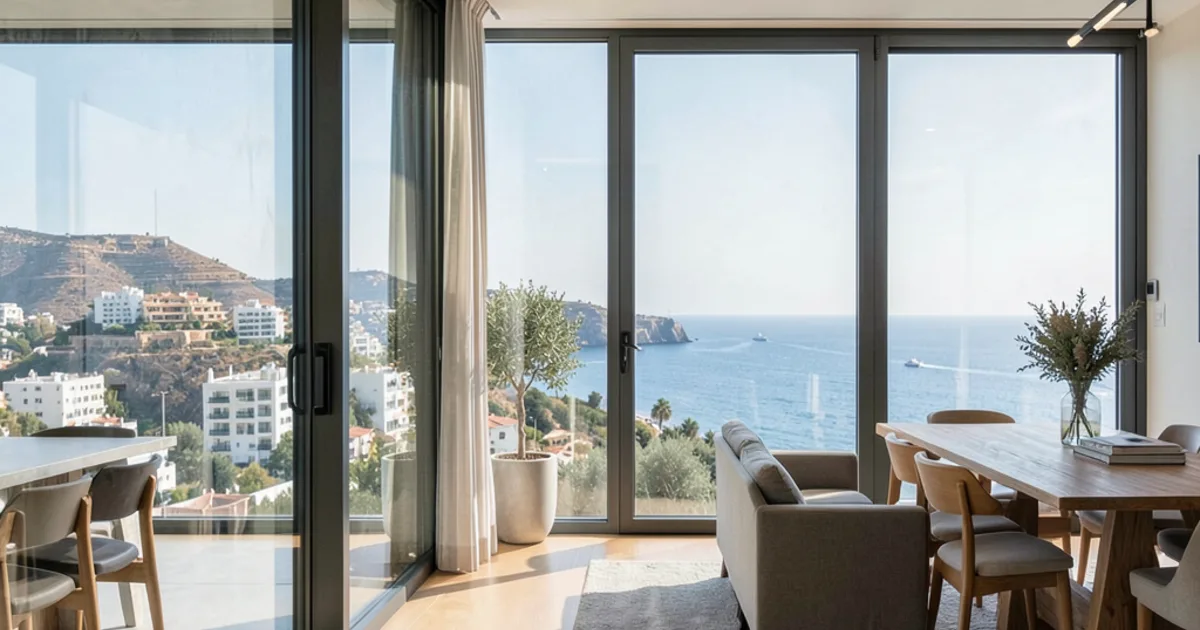
Ramat Eshkol, a vibrant and sought-after neighborhood in Jerusalem, presents unique opportunities and considerations for those seeking rental accommodation. Whether you're making Aliyah, looking for a primary residence, a convenient pied-à-terre, or a strategic investment, a thorough viewing process is paramount. This in-depth guide from BuyHouseIsrael provides a comprehensive checklist designed to equip you with the knowledge and confidence to evaluate potential rental apartments effectively in this distinct area, ensuring you make an informed decision that aligns with your specific needs and lifestyle.
- Why is a Specific Checklist Crucial for Ramat Eshkol Rentals?
- Initial Impressions and Neighborhood Vibe: Beyond the Front Door
- The Apartment's Layout and Functional Suitability
- Condition of Fixtures, Appliances, and Utilities
- Building Amenities and Shared Spaces
- Understanding the Financial Specifics: Beyond Monthly Rent
- Lease Terms, Duration, and Flexibility
- Landlord and Agent Communication: Red Flags and Reassurances
- Specific Religious and Cultural Considerations for Ramat Eshkol
- Document Everything: Photos, Notes, and Questions
- Preparing for Aliyah or Investment: Special Considerations
- The Final Walk-Through and Contract Review
Why is a Specific Checklist Crucial for Ramat Eshkol Rentals?
Ramat Eshkol is not just any neighborhood in Jerusalem; it boasts a distinct character, largely influenced by its religious demographic and a strong sense of community. This unique environment means that what might be standard considerations elsewhere could be secondary here, while other factors, such as proximity to specific institutions or the layout for religious observances, gain heightened importance. A generic rental checklist simply won't suffice when evaluating properties in this specific Jerusalem locale.
The cultural and social fabric of Ramat Eshkol directly impacts daily life, from the availability of certain services to the rhythm of the week. Understanding these nuances before committing to a rental agreement can prevent future inconveniences or misalignments with your expectations. For instance, noise levels on Shabbat, access to kosher amenities, or the general atmosphere of the building during holidays are all considerations that are amplified in this particular setting and demand specific attention during your viewing.
Furthermore, the demand for rental properties in Ramat Eshkol can fluctuate, and properties often move quickly. Having a well-structured checklist allows you to efficiently assess multiple options, compare them systematically, and make a swift, confident decision when the right apartment emerges. It helps you focus on what truly matters to you, cutting through the excitement or pressure of a competitive market to evaluate practicalities and long-term suitability.
This tailored approach ensures that your rental apartment not only meets your basic living requirements but also comfortably integrates you into the unique community of Ramat Eshkol. It's about finding a home that supports your lifestyle, whether you're a young family, a student, a retiree, or someone establishing roots in Israel, and understanding the local context is key to that success.
Initial Impressions and Neighborhood Vibe: Beyond the Front Door
Your evaluation of a potential rental in Ramat Eshkol should begin long before you even step inside the apartment. The immediate neighborhood, including the street, the building's exterior, and the general atmosphere, offers crucial insights into what living there would entail. Take a moment to observe the cleanliness of the sidewalks, the condition of shared building areas like the entrance and stairwells, and the presence of any noticeable odors or persistent noises.
Consider the proximity to essential amenities that are particularly relevant to the Ramat Eshkol lifestyle. This includes synagogues, mikvahs, kosher supermarkets, and local parks. Assess the accessibility of public transportation, especially if you rely on buses for commuting or have guests who will. A well-connected location can significantly enhance your daily convenience and overall satisfaction with the rental.
During your visit, pay attention to the general vibe of the street and the building. Are there children playing? Does it feel quiet and residential, or is there a bustling energy? Observe the types of cars parked, the condition of other homes, and the general upkeep of the area. These subtle cues can tell you a great deal about the community and whether it aligns with your personal preferences for a living environment.
Finally, think about safety and security. Does the building have a secure entrance? Are there adequate streetlights? While Ramat Eshkol is generally considered a safe neighborhood, understanding the specific security features of your immediate surroundings can provide peace of mind. A quick walk around the block can offer invaluable perspectives that an online listing simply cannot convey.
The Apartment's Layout and Functional Suitability
Once inside, the layout of the apartment is a critical factor, especially when considering the specific needs often found in Ramat Eshkol households. Beyond the number of rooms, think about how the space flows and whether it accommodates your lifestyle. For families, multiple bedrooms and a well-defined living area are crucial. For individuals or couples, a more open-plan design might be appealing.
Pay close attention to the kitchen. Is it spacious enough for preparing meals, especially for larger families or holiday gatherings? Is there adequate counter space and storage? In many religious households, separate sinks or cooking areas for meat and dairy (parve) are highly desirable, or at least the space to create such separation. Verify the presence and condition of major appliances like a refrigerator, oven, and stovetop, and clarify if they are included in the rental.
Consider the natural light and ventilation in each room. Does the apartment feel bright and airy, or dark and cramped? Good airflow is essential, particularly in Jerusalem's warm summers. Check the number and placement of windows, and ensure they open and close easily. Also, assess the privacy offered by the windows, especially if the apartment faces another building closely.
Finally, think about storage. Are there built-in closets in the bedrooms? Is there a dedicated space for linens, cleaning supplies, or holiday items? Lack of sufficient storage can quickly lead to clutter and discomfort, regardless of the apartment's overall size. Don't hesitate to open closet doors and look inside to gauge the actual storage capacity.
- Assess natural light and ventilation in all rooms.
- Verify kitchen layout for religious observance (meat/dairy separation potential).
- Check bedroom sizes for furniture placement.
- Evaluate overall flow and functionality of the space.
Condition of Fixtures, Appliances, and Utilities
A thorough inspection of the apartment's internal condition is non-negotiable. Begin with the plumbing: turn on all faucets in the kitchen and bathrooms to check water pressure and drainage. Flush toilets to ensure they function correctly. Look for any signs of leaks, water stains on ceilings or walls, or mold, which could indicate underlying issues. A working hot water system is essential, especially in colder months.
Next, test the electrical outlets and light switches in every room. While you can't test every outlet, a representative sample will give you an idea of the wiring's condition. Ask about the presence and functionality of air conditioning units, which are crucial during Jerusalem's hot summers. Confirm if heating is central or individual units, and verify its operational status.
Examine the condition of all appliances that are included in the rental agreement. This typically includes the refrigerator, oven, stovetop, and sometimes a washing machine or dryer. Turn them on briefly to ensure they power up; note any unusual noises or obvious malfunctions. Clarify who is responsible for repairs and maintenance of these items.
Finally, inspect the general wear and tear. Look at the flooring for excessive damage, scuffs, or loose tiles. Check the paint on the walls for peeling or significant marks. Ensure all windows and doors open and close smoothly and lock securely. Documenting any existing damage with photos or videos before you move in is a wise precaution to protect your security deposit.
- Test all faucets, showerheads, and toilets for pressure and drainage.
- Verify functionality of air conditioning and heating systems.
- Inspect all included appliances (refrigerator, oven, washing machine).
- Check electrical outlets and light switches in each room.
- Look for signs of leaks, mold, or water damage.
Building Amenities and Shared Spaces
The building itself, and any shared amenities, can significantly impact your living experience. Start by assessing the security of the building entrance. Is there an intercom system, a secure door, or a guard? For families, a safe and controlled entry point is often a high priority. Observe the cleanliness and maintenance of common areas like the lobby, hallways, and stairwells, as this often reflects the overall management of the building.
Many apartment buildings in Israel, particularly in religious neighborhoods, may offer specific amenities or considerations. Does the building have a Shabbat elevator, if that is important to you? Is there a communal sukkah area for Sukkot? These kinds of features are highly valued in Ramat Eshkol and should be noted during your viewing. Also, inquire about designated garbage disposal areas and recycling facilities.
Parking can be a significant challenge in Jerusalem, and Ramat Eshkol is no exception. Inquire about parking availability for residents. Is there dedicated parking, street parking, or a paid lot nearby? If you own a car, understanding the parking situation is crucial to avoid daily frustration. For those without a car, assess the proximity to public transportation stops.
Finally, consider any outdoor spaces. Does the apartment have a balcony, and if so, what is its condition and view? Is there a communal garden or playground? These shared spaces can enhance your quality of life, offering opportunities for relaxation or children's play, and their condition reflects on the overall care taken of the property.
Understanding the Financial Specifics: Beyond Monthly Rent
While the monthly rent is the primary financial consideration, it's crucial to understand all associated costs to avoid surprises. Always clarify what is included in the rent and what is not. Common additional expenses in Israel include 'Vaad Bayit' (building maintenance fees), Arnona (municipal property tax), water, electricity, and gas. Get estimated figures for these utilities if possible, as they can significantly impact your budget.
Inquire about the security deposit ('pikadon') and any upfront payments required. In Israel, it's common to pay a security deposit equivalent to one or two months' rent, which is held to cover potential damages or unpaid bills. Understand the conditions for its return and the timeline. Some landlords may also request ' ערבות בנקאית' (bank guarantee) or a 'שטר חוב' (promissory note) as additional security.
Clarify the terms of the rental agreement regarding rent increases. While not always common in short-term rentals, for longer leases, understanding potential adjustments can be important. Also, ask about payment methods and schedules. Will payments be made via bank transfer, checks ('čekim'), or another method? Ensure you are comfortable with the proposed payment structure.
Finally, confirm who is responsible for repairs and maintenance. Typically, minor repairs fall to the tenant, while major structural issues or appliance breakdowns (if included) are the landlord's responsibility. Having this clearly defined in the contract prevents disputes down the line. A clear understanding of all financial obligations is paramount before signing any agreement.
- Clarify what utilities (Arnona, water, electricity, gas) are extra.
- Understand 'Vaad Bayit' (building maintenance fees) costs.
- Confirm security deposit ('pikadon') amount and return conditions.
- Inquire about payment methods and schedule (bank transfers, checks).
Lease Terms, Duration, and Flexibility
The lease agreement is a legally binding document, so a thorough understanding of its terms is essential. Start with the duration of the lease. Is it for one year, two years, or month-to-month? Clarify the start and end dates. If you anticipate needing flexibility, ask about options for early termination or renewal. Some landlords may be open to negotiation, particularly if you're a desirable tenant.
Pay close attention to clauses regarding rent increases, notice periods for vacating the property, and conditions for renewing the lease. In Israel, a standard rental contract typically includes an 'אופציה' (option) for renewal, often with a slight rent adjustment. Understand the timeframe within which you must exercise this option.
Discuss any specific restrictions or rules related to the apartment or building. This could include policies on pets, smoking, hanging laundry, or making alterations to the property. These rules are often more prevalent in religiously observant neighborhoods, so ensure they align with your lifestyle. For example, some buildings may have stricter rules regarding noise levels on Shabbat or during holidays.
Finally, ensure you receive a copy of the proposed lease agreement in advance to review thoroughly, preferably with legal counsel if you have any significant concerns. Don't feel pressured to sign on the spot. A reputable landlord or agent will allow you time to read and understand all clauses before committing.
Landlord and Agent Communication: Red Flags and Reassurances
The relationship with your landlord or real estate agent can significantly impact your rental experience. During the viewing, pay attention to their communication style and responsiveness. Are they punctual for appointments? Do they answer your questions clearly and directly, or do they seem evasive? A landlord who is difficult to reach or vague during the initial stages might be challenging to deal with later.
Ask direct questions about their expectations regarding maintenance, repairs, and communication protocols. For instance, how do they prefer to be contacted for issues? What is their typical response time for urgent repairs? A clear understanding of these aspects upfront can prevent misunderstandings and frustrations during your tenancy.
Be wary of any significant red flags. These could include pressure to sign a contract immediately without adequate time for review, reluctance to provide a written lease, refusal to address legitimate concerns about the property's condition, or demands for excessive upfront payments beyond standard practice. Trust your instincts; if something feels off, it likely is.
Conversely, positive signs include transparency, professionalism, and a willingness to address your concerns. A landlord or agent who openly discusses the pros and cons of the property, offers realistic expectations, and provides clear answers instills confidence. Remember, you are entering into a business relationship, and mutual respect and clear communication are foundational.
Specific Religious and Cultural Considerations for Ramat Eshkol
Ramat Eshkol's strong religious identity introduces specific considerations that are vital for potential tenants. Proximity to synagogues, yeshivas, and kollels is often a key factor for families or individuals seeking to integrate into the community. Consider the 'eruv' boundary, is the apartment within it? This is crucial for observant Jews for carrying items on Shabbat.
The layout of the apartment can also have religious implications. For example, is there a suitable space for a Sukkah on a balcony or in a communal area? Are the kitchen facilities adequate for maintaining a strict kosher household, perhaps with separate areas for meat and dairy? These practical details, while seemingly minor, contribute significantly to daily religious observance.
Noise levels, particularly on Shabbat and Jewish holidays, are another important aspect. Ramat Eshkol is generally a quieter neighborhood during these times, but it's worth noting if the apartment is near a busy street or a community center that might generate noise. Conversely, the lively sounds of children playing on Shabbat afternoons are often part of the neighborhood's charm.
Finally, consider the general atmosphere and community spirit. Does the building feel welcoming? Are there communal activities? While difficult to quantify, spending some time in the neighborhood on different days of the week, including Shabbat, can give you a better sense of whether the social and cultural environment aligns with your expectations and needs.
- Verify proximity to synagogues, mikvahs, and kosher amenities.
- Check if the apartment is within the 'eruv' boundary.
- Assess suitability for a Sukkah (balcony, communal space).
- Consider potential noise levels on Shabbat and holidays.
Document Everything: Photos, Notes, and Questions
During your viewing, adopt a systematic approach to documentation. Take clear, well-lit photos and even short videos of every room, paying particular attention to any existing damage, unusual features, or items that are included or excluded from the rental. These visual records serve as invaluable evidence should any disputes arise regarding the property's condition upon move-in or move-out.
Carry a notebook and pen (or use a reliable note-taking app) to jot down observations, questions, and answers provided by the landlord or agent. This helps you keep track of details, especially if you are viewing multiple properties. Note down the apartment's pros and cons, specific features you liked or disliked, and any concerns that arose during the inspection.
Prepare a list of questions in advance based on this checklist. Don't be afraid to ask follow-up questions if an answer isn't clear. It's better to be thorough now than to discover crucial missing information later. Examples include: 'What's the typical Arnona bill here?' or 'When was the last time the air conditioning was serviced?'
After the viewing, organize your notes and photos immediately. This allows you to process the information while it's fresh in your mind and makes it easier to compare different apartments. This diligent documentation process is a critical step in making an informed decision and protecting your interests as a prospective tenant.
Preparing for Aliyah or Investment: Special Considerations
For those making Aliyah, renting in Ramat Eshkol often serves as a crucial first step in establishing roots in Israel. Beyond the standard rental checklist, consider how the apartment and neighborhood support your Aliyah journey. Is it close to an Ulpan (Hebrew language school)? Are there resources for new immigrants nearby? The social support network in Ramat Eshkol can be particularly beneficial for olim.
If the rental is intended as an investment property, your perspective shifts from personal living to potential returns and tenant appeal. Evaluate the apartment's long-term rental viability: is the layout appealing to a broad range of tenants in Ramat Eshkol? Is the building well-maintained to attract reliable renters? Consider the ease of finding and retaining tenants in this specific market.
For investment purposes, it's also important to consider the property's potential for appreciation, even if you're renting it out initially. While this checklist focuses on rental viewing, a property that holds value well or has development potential might be a more attractive investment. However, remember to separate your emotional connection to the property from its investment metrics.
Whether for Aliyah or investment, understanding the local real estate market trends in Ramat Eshkol is key. While we don't provide precise figures, knowing if the market is generally appreciating, stable, or experiencing shifts can influence your decision. For both scenarios, consulting with a local real estate expert from BuyHouseIsrael can provide invaluable insights tailored to your specific goals.
The Final Walk-Through and Contract Review
Before signing any lease agreement, always request a final walk-through of the apartment, ideally on the day you are scheduled to take possession. This is your last opportunity to verify that the apartment is in the agreed-upon condition, that all repairs or cleaning promised by the landlord have been completed, and that all included appliances are present and functional. Do not skip this critical step.
During this final inspection, compare the current state of the apartment against your initial notes and photos. Check for any new damage that may have occurred since your last visit. Confirm that all keys, including those for the apartment, building entrance, and any mailboxes or storage units, are provided and work correctly.
Review the lease contract thoroughly one last time. Ensure that all agreed-upon terms, such as rent amount, duration, included utilities, and responsibilities for repairs, are accurately reflected in the written document. If you have any doubts or find discrepancies, address them immediately with the landlord or agent before affixing your signature.
Remember, once you sign, you are legally bound by the terms. Take your time, ask questions, and ensure you are completely comfortable with everything. A successful rental experience in Ramat Eshkol begins with a meticulous evaluation and a clear understanding of your agreement.
FAQ
What is 'Vaad Bayit' and is it always included in the rent?
'Vaad Bayit' refers to monthly building maintenance fees covering shared expenses like cleaning, gardening, and elevator upkeep. It is rarely included in the advertised rent for apartments in Israel and is usually an additional cost paid directly to the building committee.
How can I verify the 'eruv' boundary in Ramat Eshkol?
You can typically verify the 'eruv' boundary by checking local community websites, asking observant neighbors, or consulting with a local rabbi. Many synagogues in Ramat Eshkol will have this information readily available for residents.
What is the typical security deposit amount for rental apartments in Jerusalem?
In Jerusalem, and throughout Israel, the typical security deposit ('pikadon') for a rental apartment usually ranges from one to three months' rent, depending on the landlord and the property. It's held to cover potential damages or unpaid bills.
Should I get a lawyer to review my rental contract in Israel?
While not mandatory for every rental, consulting with a lawyer to review your rental contract is highly advisable, especially if you are new to Israel, the terms are complex, or you have significant concerns. This ensures your rights are protected and you understand all legal obligations.
What is Arnona and how is it calculated for rental properties?
Arnona is a municipal property tax levied by Israeli municipalities on both residential and commercial properties. It's calculated based on factors like property size, location, and usage, and is typically paid by the tenant in rental agreements.
Get your personalised shortlist
Listings and up-to-date info, straight to your inbox, free, no obligation.
Start my search →