What is the difference between buying an off-plan apartment and a resale home in Israel?
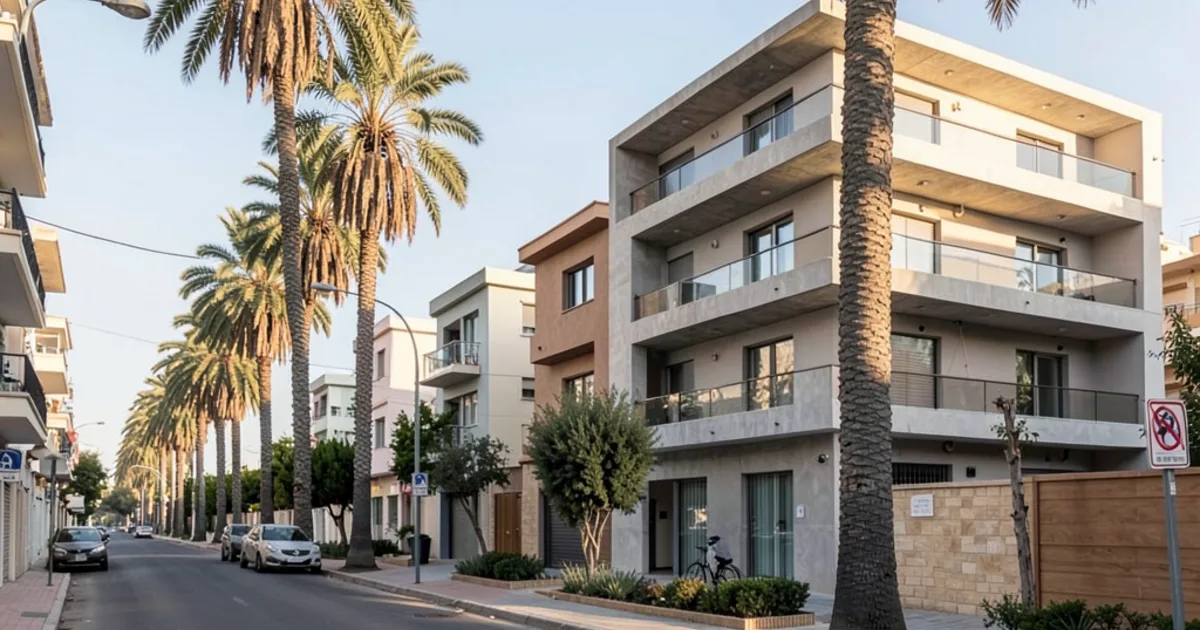
Entering the Israeli property market is a significant milestone, whether you are planning Aliyah, seeking a holiday home, or looking for a high-yield investment. One of the most critical decisions a buyer faces is whether to purchase an off-plan apartment or a resale property. Each path offers a distinct set of financial mechanics, legal requirements, and lifestyle implications that can shape your long-term wealth and stability.
- Understanding the Off-Plan Concept in Israel
- Defining the Resale Property Market
- Tax Implications: Navigating Mas Rekhisha
- Financing and the Mashkanta Process
- The Risk of the Madad Index and Construction Delays
- Physical Condition and Ongoing Maintenance
- Legal Framework: From Memorandum to Tabu
- Strategic Intent: Matching Property to Your Goal
- Location, Neighborhood Maturity, and Arnona
- The Timeline and Cash Flow Dilemma
- Due Diligence: Inspections vs. Blueprints
- Summary: Making Your Final Decision
Understanding the Off-Plan Concept in Israel
Buying off-plan, often referred to as purchasing 'pre-construction,' involves buying a property that has not yet been built or is currently in the early stages of development. In the Israeli market, this typically means you are signing a contract with a developer for a unit that will exist in the future. This approach allows buyers to enter the market at an earlier stage, often at a lower entry price than fully completed homes in the same area. It is a strategy built on the expectation of future value and the ability to secure a modern living space.
The process is heavily governed by a binding memorandum, known in Hebrew as a 'Heskem,' which outlines the specifications of the unit, the expected completion date, and the payment schedule. Because the property does not yet exist in a physical sense, your purchase is essentially a contract for a future asset. This requires a high level of trust in the developer's ability to execute the project according to the approved architectural plans and municipal permits. You are not just buying bricks and mortar; you are buying a vision of a future neighborhood.
For many, the appeal of off-plan lies in the customization and the 'freshness' of the product. You have the opportunity to choose specific floor levels, orientations, or even certain interior finishes before the construction reaches a certain stage. However, this also means you are participating in a project that is subject to the complexities of urban planning and construction timelines. It is a forward-looking move that requires patience and a clear understanding of the development lifecycle in Israel.
- Early entry into emerging neighborhoods.
- Ability to select specific unit features or views.
- Potential for capital appreciation between purchase and completion.
Defining the Resale Property Market
A resale property, or a 'second-hand' home, refers to any apartment that has already been completed, inhabited, and is now being sold by an existing owner. This is the most traditional way to enter the Israeli real estate market. When you buy a resale home, you are purchasing a tangible asset that you can inspect, walk through, and verify immediately. The property is already registered in the Tabu (the Israeli Land Registry), which provides a layer of immediate legal certainty regarding ownership and existing liens.
The primary advantage of a resale property is the elimination of construction-related uncertainty. You know exactly what the layout is, the condition of the plumbing and electrical systems, and the actual view from the balcony. There are no surprises regarding when you can move in, as the possession date is usually negotiated within a few months of the closing. This makes resale properties the preferred choice for those who need immediate housing, such as new immigrants settling in after Ulpan.
However, resale properties come with their own set of considerations, particularly regarding the age of the building. Older properties in established central cities might require significant renovation to meet modern standards. While you avoid the risk of construction delays, you may encounter higher maintenance costs or the need to participate in 'Pinui Binui' (urban renewal) projects if the building is slated for redevelopment. You are buying history and established community, but also the potential for aging infrastructure.
- Immediate physical inspection of the unit.
- Known completion and move-in dates.
- Established neighborhood amenities and community feel.
Tax Implications: Navigating Mas Rekhisha
In Israel, the purchase tax, known as Mas Rekhisha, is one of the most significant costs a buyer must account for. The tax structure is progressive, meaning the rate increases as the value of the property rises. It is crucial to understand how this tax applies to your specific situation, whether you are a first-time buyer or an investor. For many, the difference between buying a primary residence and an investment property can result in significantly different tax brackets.
When buying off-plan, the Mas Rekhisha is typically calculated based on the contract price agreed upon at the time of signing. However, because the final price might be subject to indexation, there can be nuances in how the tax is settled. For resale properties, the tax is calculated based on the actual transaction value recorded in the contract. It is vital to ensure that the valuation used for the tax is accurate to avoid complications with the Tax Authority later on.
Special exemptions or reduced rates may apply to certain groups, such as first-time buyers purchasing a primary home within specific price thresholds. It is highly recommended to consult with a tax professional or a lawyer to calculate your exact liability before signing any binding documents. Failing to budget correctly for Mas Rekhisha can lead to unexpected liquidity issues at the time of the transaction or during the registration process in the Tabu.
- Mas Rekhisha is progressive based on property value.
- First-time buyers may qualify for specific exemptions.
- Tax must be factored into the total acquisition cost.
Financing and the Mashkanta Process
Securing a Mashkanta, or mortgage, is a cornerstone of the Israeli real estate process. The way a mortgage is structured and disbursed differs fundamentally between off-plan and resale purchases. For a resale property, the bank typically disburses the loan in a single large sum to the seller upon the successful transfer of ownership and the signing of the documents. This provides a clear, immediate path to closing the deal and settling the debt.
Off-plan financing is more complex and requires careful coordination with the developer's payment schedule. Banks may disburse funds in stages as construction milestones are reached, or they may hold the funds until the project is completed. This means the buyer must be prepared to manage their cash flow carefully, as they may be required to make significant down payments or installments to the developer long before the mortgage is fully utilized. This 'gap' period can be a challenge for those with limited liquid capital.
Furthermore, the Loan-to-Value (LTV) ratio offered by banks can vary depending on the stage of the project. In some cases, banks may be more conservative with off-plan projects due to the inherent risks of construction. Buyers should approach their bank early in the process to understand their borrowing capacity and how the Mashkanta will interact with the developer's payment terms. A well-structured mortgage plan is essential to avoid being caught in a liquidity crunch during the construction years.
- Resale: Single disbursement at closing.
- Off-plan: Staged disbursements based on milestones.
- LTV ratios may vary based on project maturity.
The Risk of the Madad Index and Construction Delays
One of the most critical risks in off-plan purchasing in Israel is the Madad indexation clause. Many developer contracts include a provision that adjusts the purchase price based on the Consumer Price Index (Madad). This means that if inflation rises during the years it takes to build the apartment, the final price you pay could be higher than the initial price listed in your contract. This can lead to a significant increase in your total acquisition cost that was not originally anticipated.
Construction delays are another inherent risk of the off-plan model. While developers provide an estimated completion date in the binding memorandum, factors such as municipal permit delays, labor shortages, or unforeseen geological issues can push this date back. For an investor, a delay might mean a longer period without rental income. For a family planning to move, it could mean paying for both a mortgage and rent in another location simultaneously.
Resale properties, by contrast, offer much higher certainty regarding timing. While there can be delays in the legal transfer process or the movement of the seller, the physical existence of the home and its readiness for occupancy are not in question. When evaluating an off-plan project, it is essential to look at the developer's track record and the specific language regarding Madad and delay penalties in the contract to mitigate these financial and temporal risks.
- Madad indexation can increase the final purchase price.
- Construction delays can impact cash flow and move-in dates.
- Developer track record is a key indicator of reliability.
Physical Condition and Ongoing Maintenance
The physical state of the property is a major differentiator in the daily life of a homeowner. An off-plan apartment offers the luxury of being the first person to live in the unit. This means modern electrical systems, contemporary plumbing, updated insulation, and energy-efficient windows. New builds are designed to meet current building codes, which often results in lower immediate maintenance needs and potentially lower energy costs for the resident.
Resale properties, particularly in older, central neighborhoods, may require significant capital expenditure shortly after purchase. You may need to address issues such as aging pipes, outdated wiring, or even structural repairs. While you can inspect these issues through a professional inspection (Bdidat Miktzo'at) before buying, the reality is that older buildings often demand more frequent and costly interventions. However, many buyers find the character and established feel of older buildings worth the extra effort.
Maintenance also extends to the communal aspects of the building. In newer developments, the management of common areas is often more streamlined and modern. In older buildings, you may be part of a more traditional committee that manages repairs. Regardless of your choice, you must factor in the Arnona (municipal tax) and potential building maintenance fees (Va'ad Bayit) into your long-term budget, as these costs can vary depending on the age and amenities of the property.
- Off-plan: Modern systems and low initial maintenance.
- Resale: Potential for renovation and higher upkeep.
- Energy efficiency is typically higher in new constructions.
Legal Framework: From Memorandum to Tabu
The legal journey of a property purchase in Israel is distinct depending on whether the asset is new or existing. For off-plan buyers, the primary document is the binding memorandum. This contract is a detailed roadmap that must be reviewed meticulously by a lawyer. It covers everything from the exact dimensions of the rooms to the specific materials used in construction. Because the property is not yet registered in your name in the Tabu, the contract serves as your primary protection.
In a resale transaction, the focus shifts toward the Tabu (the Land Registry). Your lawyer will perform a thorough check to ensure the seller has a clear title, that there are no undisclosed liens, and that no third parties have rights to the property. The goal is to ensure that when you sign the transfer documents, the ownership moves cleanly from the seller to you. The Tabu is the ultimate authority on property ownership in Israel, and its accuracy is paramount.
Both paths require professional legal representation to navigate the nuances of Israeli law. For off-plan, the lawyer's role is to protect you against developer defaults and unfair indexation clauses. For resale, the lawyer's role is to ensure the integrity of the title and the smooth execution of the transfer. In both cases, the legal process is what transforms a signed agreement into a secure, registered real estate asset.
- Off-plan: Reliance on the binding memorandum (Heskem).
- Resale: Verification of title in the Tabu (Land Registry).
- Legal counsel is mandatory for both transaction types.
Strategic Intent: Matching Property to Your Goal
Your decision should be driven by your ultimate objective in the Israeli market. If you are preparing for Aliyah, your priority might be stability and immediate housing. In this case, a resale property is often the safer bet, as it allows you to settle into a community, find schools, and begin your new life without the stress of construction timelines. You can move in, start your Ulpan, and establish your roots immediately.
For those looking at property as a pure investment, off-plan purchases can be highly attractive. The goal here is often capital appreciation, buying at a lower price point and selling or renting the unit once it is completed and the neighborhood has matured. This strategy leverages the growth of the area and the value added by the completion of the project. However, this requires a higher risk tolerance and a longer time horizon for your capital.
If you are looking for a pied-à-terre or a holiday home, the choice depends on how often you intend to use it. A resale home provides immediate availability for your visits. An off-plan home allows you to design a space that meets your specific holiday needs, but it requires you to wait for the project to reach fruition. Each buyer must weigh their need for immediate utility against their desire for future value and modern amenities.
- Aliyah: Prioritize immediate occupancy and stability.
- Investment: Focus on capital appreciation and growth potential.
- Holiday Home: Balance customization against availability.
Location, Neighborhood Maturity, and Arnona
The location of a property is perhaps the most significant driver of value in Israel. Off-plan projects are frequently located in developing areas or on the fringes of established cities. These areas offer the promise of future growth and modern infrastructure, but they may currently lack the 'soul' and convenience of older neighborhoods. You are essentially betting on the future development of the municipality and the expansion of the city.
Resale properties are typically found in more mature, established neighborhoods. These areas offer immediate access to public transportation, parks, shopping centers, and schools. The community is already formed, and the amenities are proven. While you may not see the same explosive growth in property value as in a developing area, the stability and convenience of a central location are significant advantages for many residents.
One practical aspect to consider is the Arnona, or municipal tax. The rate of Arnona can vary significantly between different neighborhoods and even between new and old developments. Newer areas might have higher Arnona rates due to improved services and infrastructure, while older areas might have lower rates but potentially lower service quality. Always research the specific municipal tax rates for the area you are considering to avoid surprises in your monthly budget.
- Off-plan: Often in developing, high-growth areas.
- Resale: Located in established, amenity-rich neighborhoods.
- Arnona: Rates vary by municipality and neighborhood type.
The Timeline and Cash Flow Dilemma
Time is a critical factor in the decision-making process. A resale property offers a relatively short timeline from contract to possession, typically ranging from a few weeks to a few months. This allows for predictable financial planning. You know when your mortgage starts, when your moving costs occur, and when you can stop paying rent elsewhere. This predictability is a major advantage for those with tight timelines.
The off-plan timeline is much longer and inherently more volatile. You may be signing a contract today for a home that will not be ready for several years. This creates a significant cash flow challenge. Many buyers find themselves in a position where they are paying installments to a developer while simultaneously paying rent for their current residence. This 'double payment' period can put a strain on personal finances if not planned for with extreme care.
To manage this, it is essential to create a multi-year financial forecast. If you are buying off-plan, you must ensure you have enough liquidity to cover the installments and the potential Madad index increases, even if your primary income source is elsewhere. Understanding the exact timing of your Mashkanta disbursement and your current housing costs is vital to avoiding a financial crisis during the construction phase.
- Resale: Short, predictable timeline to possession.
- Off-plan: Long-term commitment with uncertain dates.
- Risk: Potential for 'double payments' (rent + installments).
Due Diligence: Inspections vs. Blueprints
Due diligence is the process of verifying that what you are buying is worth the price and is in the condition you expect. For a resale property, due diligence is physical. You must hire a professional inspector to conduct a thorough 'Bdidat Miktzo'at.' This inspector will check for signs of dampness, electrical issues, plumbing leaks, and structural integrity. This physical verification is your best defense against inheriting a 'money pit.'
For off-plan properties, due diligence is intellectual and administrative. Since there is no physical unit to inspect, you must instead scrutinize the architectural blueprints, the municipal building permits, and the developer's technical specifications. You need to verify that the plans approved by the municipality match what is promised in the binding memorandum. This requires a different kind of expertise, often involving a lawyer and an architect to review the documentation.
In both scenarios, the goal is the same: to minimize risk. Whether you are looking at a cracked wall in a resale home or a discrepancy in a blueprint for a new build, thorough investigation is non-negotiable. Skipping this step can lead to massive unforeseen costs that can negate any perceived benefits of either the off-plan or resale route. Always invest in professional expertise during the due diligence phase.
- Resale: Physical inspection (Bdidat Miktzo'at) is key.
- Off-plan: Review of blueprints and municipal permits.
- Expertise: Use professionals to minimize unforeseen costs.
Summary: Making Your Final Decision
Choosing between an off-plan apartment and a resale home in Israel is not about finding the 'better' option, but about finding the option that best fits your specific needs, risk tolerance, and financial situation. If you value certainty, immediate occupancy, and established communities, the resale market is your natural home. It offers a more straightforward path to ownership with fewer variables to manage.
If you are looking for growth, modern living standards, and are willing to navigate a more complex financial and legal landscape, the off-plan market offers unique opportunities. It allows you to participate in the future of Israel's urban development and potentially capture significant capital gains. However, it requires a disciplined approach to cash flow and a clear understanding of the risks associated with construction and inflation.
Regardless of your choice, remember that the Israeli real estate market is a unique environment with its own set of rules, taxes, and legalities. Whether you are buying a primary residence for your family or an investment property for your future, the key to success lies in preparation, professional advice, and a deep understanding of the mechanics of the transaction. Take your time, ask the right questions, and approach the market with eyes wide open.
- Choose Resale for: Certainty, immediate use, and stability.
- Choose Off-Plan for: Growth, modernity, and customization.
- Final Tip: Always consult local professionals before signing.
FAQ
Can the price of an off-plan apartment increase after I sign the contract?
Yes, many Israeli off-plan contracts include a Madad indexation clause. This means the final purchase price can increase if the Consumer Price Index rises during the construction period, potentially leading to higher costs than originally planned.
Is it harder to get a mortgage for an off-plan property?
It can be more complex because banks often disburse funds in stages rather than a single lump sum. This requires careful coordination between the bank, the developer, and your personal cash flow to ensure all installments are met.
What is the main legal document I should look at for an off-plan purchase?
The most important document is the binding memorandum, or 'Heskem.' This contract contains all the essential details regarding the unit, the construction timeline, and your payment obligations.
Do I need to do a physical inspection for a resale apartment?
Yes, a professional physical inspection (Bdidat Miktzo'at) is highly recommended for any resale property. This helps you identify hidden issues with plumbing, electricity, or structure that could be very expensive to fix later.
How does the Tabu relate to my property purchase?
The Tabu is the official land registry in Israel where property ownership is recorded. For resale, you must ensure the property is correctly registered in the seller's name in the Tabu. For off-plan, your ownership will eventually be registered in the Tabu once the project is completed and the title is cleared.
Get your personalised shortlist
Listings and up-to-date info, straight to your inbox, free, no obligation.
Start my search →