What is the process for a US retiree to buy a single-family home in Caesarea for permanent relocation?
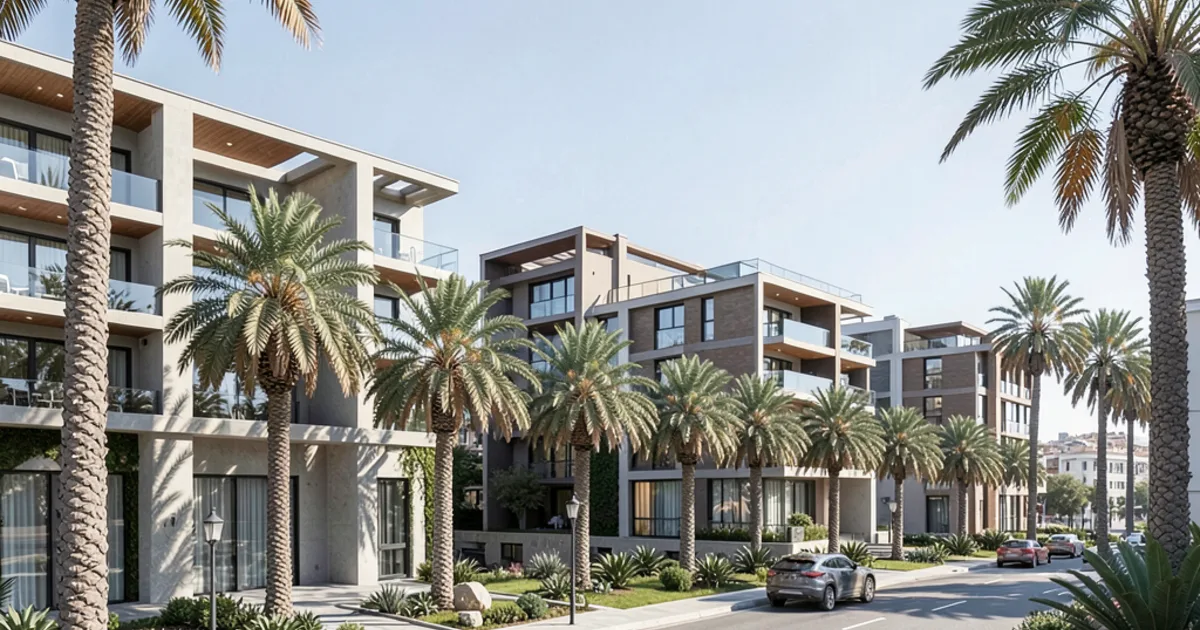
Transitioning from a retirement lifestyle in the United States to the coastal elegance of Caesarea, Israel, is a profound life change that involves more than just finding a beautiful home. For many US retirees, this journey is a blend of emotional fulfillment and complex logistical maneuvering. Understanding the nuances of the Israeli property market, from legal structures to tax obligations, is essential for a smooth permanent relocation. This guide outlines the specific roadmap for securing your single-family home in one of Israel's most prestigious locations.
- Defining Your Relocation Purpose in Caesarea
- Financial Readiness and Currency Management
- Understanding the Israeli Real Estate Legal Framework
- Navigating Taxes: Mas Rekhisha and Mas Shevah
- Financing Your Purchase: The Mashkanta Process
- Ongoing Costs and Local Property Taxes
- The Impact of Aliyah on Property Ownership
- Integrating into the Local Caesarea Community
- The Final Steps: Closing and Moving Logistics
Defining Your Relocation Purpose in Caesarea
Before beginning your search, you must clearly define the intent behind your purchase. Are you looking for a seasonal pied-à-terre, a long-term investment property, or a primary residence as part of your Aliyah? Each of these paths carries significantly different legal and tax implications in Israel. A holiday home is viewed differently by the tax authorities than a home that serves as your permanent domicile.
For those planning a permanent relocation, the concept of Aliyah, the process of making Aliyah to Israel, is central to your strategy. Establishing yourself as an Olim (a new immigrant) can unlock specific benefits that are unavailable to casual investors or seasonal visitors. This decision will influence everything from the neighborhoods you prioritize to the way you structure your financing and legal representation.
Caesarea offers a diverse array of single-family homes, ranging from modern villas in gated communities to more traditional estates near the archaeological park. Understanding whether you want the seclusion of a private estate or the social connectivity of a planned community is your first major milestone. This clarity will allow you to communicate effectively with local real estate professionals and legal advisors.
- Holiday/Pied-à-terre: Seasonal use, different tax brackets, less focus on local integration.
- Investment: Focus on rental yields and capital appreciation, potentially higher Mas Rekhisha.
- Permanent Relocation (Aliyah): Focus on community, Aliyah benefits, and long-term residency.
Financial Readiness and Currency Management
Moving significant capital from the United States to Israel requires meticulous planning and an understanding of international banking. Retirees often rely on 401(k) distributions, IRAs, or the sale of US-based real estate to fund their Israeli home purchase. You must account for currency exchange volatility, as the strength of the US Dollar against the Israeli Shekel can significantly impact your purchasing power.
It is highly recommended to work with specialized currency exchange services rather than traditional retail banks for large transfers. These services often provide more competitive rates and can help manage the timing of your transfers to mitigate risk. Furthermore, you must ensure that all funds are fully documented to comply with both US and Israeli anti-money laundering regulations.
Beyond the purchase price, you must budget for the 'hidden' costs of Israeli real estate. These include legal fees, various taxes, and the costs associated with moving your life across the ocean. Having a clear picture of your liquid assets versus your fixed retirement income will help you determine if you should purchase outright or seek local financing.
- Currency Volatility: Monitor the USD/ILS exchange rate closely during the planning phase.
- Transfer Documentation: Maintain clear records of the source of funds to satisfy legal requirements.
- Liquidity Planning: Ensure sufficient cash is available for immediate closing costs and taxes.
Understanding the Israeli Real Estate Legal Framework
The Israeli real estate system operates differently than the US system, particularly regarding title and ownership. The primary authority for land ownership is the Tabu, which is the official Land Registry. When purchasing a single-family home, your lawyer must verify that the seller is the rightful owner and that the property is correctly registered in the Tabu without any undisclosed encumbrances.
One of the most critical documents in your transaction is the binding memorandum, which is the formal purchase contract. Unlike some US transactions that rely heavily on informal agreements before a formal contract, the memorandum in Israel is a rigorous legal document that outlines all terms, conditions, and timelines. This document is the foundation upon which your rights as a buyer are built.
Due diligence in Israel extends beyond the physical condition of the home. You must investigate the property's legal history, including any existing mortgages, liens, or easements that might affect your use of the land. A specialized real estate attorney is not just an option; they are a mandatory component of a successful and secure transaction.
- Tabu: The official land registry that confirms ownership and property details.
- Binding Memorandum: The formal contract that legally binds the buyer and seller.
- Legal Due Diligence: Checking for liens, mortgages, and zoning restrictions.
Navigating Taxes: Mas Rekhisha and Mas Shevah
Taxation is a significant component of the total cost of homeownership in Israel. The most immediate cost for a buyer is the Mas Rekhisha, or purchase tax. This is a progressive tax that is calculated based on the purchase price of the property. The rates vary depending on whether the property is considered a primary residence or an investment, and whether you are an Olim.
While Mas Shevah (capital gains tax) is typically paid by the seller, it is important for a buyer to understand the context of the market. High capital gains taxes can influence the asking prices set by sellers. Additionally, if you eventually decide to sell your Caesarea home, you will need to understand how your residency status and the duration of ownership affect your future tax liabilities.
It is vital to consult with a tax professional who understands the complexities of the US-Israel tax treaty. As a US citizen, you are subject to taxation on your worldwide income, and the way you report your Israeli assets and property must be handled carefully to avoid double taxation or compliance issues with the IRS.
- Mas Rekhisha: The purchase tax paid by the buyer at the time of acquisition.
- Mas Shevah: The capital gains tax paid by the seller upon the sale of a property.
- Tax Treaties: Understanding how US and Israeli tax laws interact for US citizens.
Financing Your Purchase: The Mashkanta Process
Many US retirees choose to use their existing capital to buy homes in cash, but some may prefer to utilize a Mashkanta, which is an Israeli mortgage. Obtaining a mortgage in Israel as a non-resident or a new immigrant can be more complex than in the US. Banks will look closely at your source of income, your credit history, and your age to determine eligibility.
Age is a significant factor when seeking a Mashkanta. Most Israeli banks have a maximum age limit for the end of the loan term, which can impact the duration and size of the mortgage you can secure. Retirees must carefully calculate how their monthly retirement distributions in the US will translate to mortgage payments in Israeli Shekels.
The interest rate environment in Israel can also differ from the US. Mortgages are often structured with different types of interest rates, such as fixed, floating, or linked to the consumer price index. It is essential to have your lawyer or a financial advisor explain the long-term implications of these different structures to ensure your retirement budget remains stable.
- Mashkanta: The Israeli term for a mortgage used to purchase real estate.
- Age Constraints: Banks often limit mortgage terms based on the borrower's age.
- Interest Rate Structures: Understanding fixed, floating, and inflation-linked rates.
Ongoing Costs and Local Property Taxes
Once you have successfully closed on your Caesarea home, your financial responsibilities shift to ongoing maintenance and local taxes. The most prominent of these is the Arnona, which is the municipal property tax. Arnona is calculated based on the size and type of the property and is paid to the local municipality. In a premium area like Caesarea, these rates should be factored into your annual budget.
Maintenance in a single-family home, particularly in a coastal environment, can be higher than in an apartment. Salt air and humidity can impact building exteriors, landscaping, and mechanical systems. You should anticipate costs for garden maintenance, pool upkeep, and general home repairs to ensure your property retains its value over time.
In addition to municipal taxes, you may encounter communal fees if your home is located within a gated community or a managed estate. These fees often cover security, landscaping of common areas, and shared amenities. Being proactive about these costs will prevent any surprises in your monthly or quarterly financial planning.
- Arnona: The local municipal property tax paid to the city or town.
- Maintenance: Regular upkeep of gardens, pools, and coastal-exposed structures.
- Communal Fees: Costs for security and shared amenities in managed communities.
The Impact of Aliyah on Property Ownership
For many US retirees, the goal of moving to Caesarea is to undergo Aliyah. Making Aliyah is not just a change of address; it is a change in legal and social status. The Israeli government provides various incentives to encourage new immigrants, and some of these specifically target the housing market. Understanding these benefits can save you a significant amount of money during the acquisition process.
One of the primary benefits for Olim is a reduction or exemption in the Mas Rekhisha (purchase tax) for a primary residence. This benefit is designed to assist new immigrants in establishing their roots in the country. However, to qualify, you must meet specific criteria regarding your residency status and your intent to use the property as your main home.
Beyond tax breaks, Aliyah provides access to a broader social safety net, including healthcare and social services. While the immediate focus is often on the real estate transaction, the long-term benefits of Aliyah are what truly facilitate a successful permanent relocation. Integrating your home purchase with your immigration timeline is a strategic necessity.
- Aliyah Incentives: Specific tax breaks and benefits for new immigrants (Olim).
- Primary Residence Status: The requirement to use the home as your main domicile to qualify for tax benefits.
- Social Integration: How Aliyah connects your housing to healthcare and community support.
Integrating into the Local Caesarea Community
A successful relocation involves more than just a house; it involves building a new life. For US retirees, the transition to Israeli culture can be both exciting and challenging. Learning Hebrew is one of the most effective ways to integrate. Many new immigrants enroll in an Ulpan, which is an intensive Hebrew language school designed specifically for Olim.
Ulpan provides more than just linguistic skills; it offers a social gateway to the local community. Through Ulpan, you will meet other newcomers who are navigating similar transitions, creating a support network that can be invaluable during your first few years in Israel. This social connection is vital for preventing the isolation that can sometimes accompany international moves.
Caesarea itself offers a unique lifestyle that blends luxury with history. Engaging with local community organizations, attending cultural events at the archaeological park, or joining local interest groups can help you feel at home. The goal is to move from being a visitor in a beautiful place to being a resident of a vibrant community.
- Ulpan: Intensive Hebrew language programs for new immigrants.
- Social Networks: Connecting with other Olim to ease the transition.
- Community Engagement: Participating in local Caesarea culture and events.
The Final Steps: Closing and Moving Logistics
The closing of a real estate transaction in Israel is a formal and highly regulated event. Once the final payments are made and the legal documents are signed, the transfer of ownership is recorded in the Tabu. Your lawyer will handle the final coordination to ensure that all conditions of the binding memorandum have been met and that the title is clear.
Simultaneously, you must manage the immense logistical challenge of moving your life from the US to Israel. This includes everything from shipping furniture and personal effects to legalizing documents for use in Israel. It is often wise to hire international moving specialists who have experience with the specific customs requirements of the Israeli border.
As you settle into your new single-family home in Caesarea, remember that the process of 'becoming local' is ongoing. Once the keys are in hand and the moving trucks are gone, your focus will shift from the mechanics of the purchase to the enjoyment of your new Mediterranean lifestyle. The preparation you have done will serve as the foundation for this new chapter.
- Closing Coordination: Finalizing payments and ensuring Tabu registration.
- International Moving: Managing the logistics of shipping goods from the US.
- Post-Closing Transition: Shifting focus from the transaction to daily life in Israel.
FAQ
Can a US retiree buy property in Israel without making Aliyah?
Yes, US retirees can certainly purchase property in Israel as non-residents. However, they will not be eligible for the specific tax breaks on Mas Rekhisha that are reserved for Olim, and they may face different financing options.
How much should I budget for purchase taxes in Caesarea?
The amount of Mas Rekhisha depends on the purchase price and your status as an immigrant. It is a progressive tax, so higher-priced single-family homes will incur higher rates, and you should consult a professional to get an estimate based on current laws.
Are mortgages available for US retirees in Israel?
Mortgages, known as Mashkanta, are available, but they can be more complex for retirees. Factors such as your age, your source of income, and your residency status will all influence the terms and availability of a loan from Israeli banks.
How important is it to hire an Israeli lawyer for the purchase?
Hiring an Israeli real estate attorney is essential. They are responsible for conducting due diligence in the Tabu, drafting the binding memorandum, and ensuring that your interests are protected throughout the entire legal process.
Get your personalised shortlist
Listings and up-to-date info, straight to your inbox, free, no obligation.
Start my search →