What legal advice is crucial for an American couple buying land for self-build in a moshav in the Sharon region?
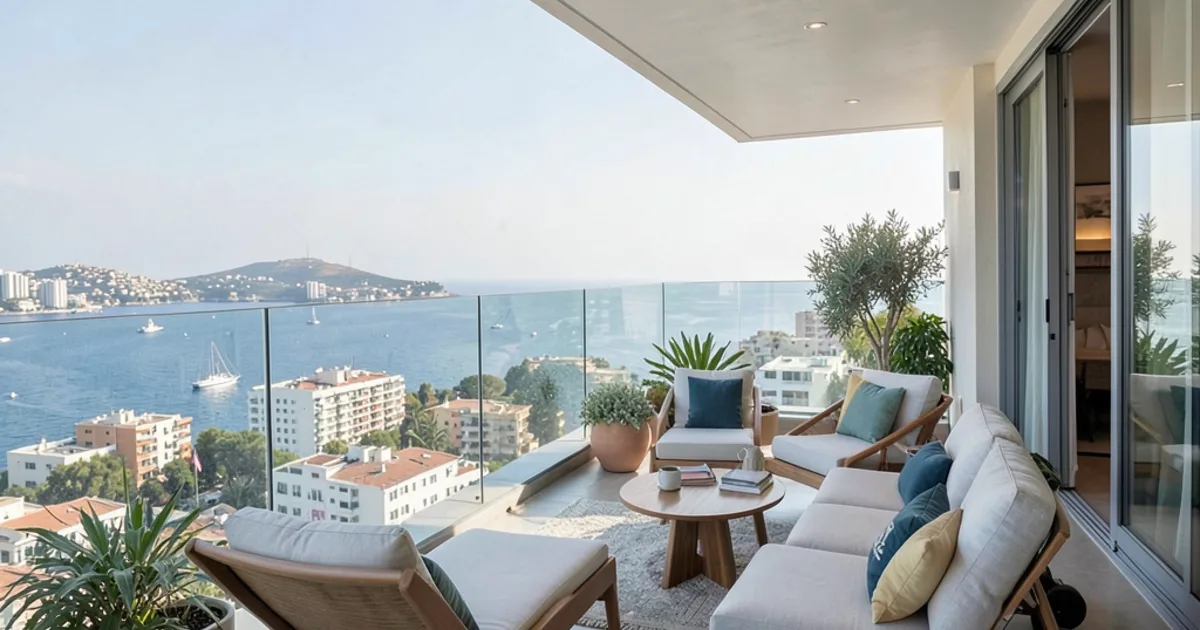
For American couples dreaming of building their own home in the picturesque Sharon region of Israel, specifically within a moshav, the journey is fraught with unique legal intricacies. This isn't merely a land purchase; it's an entry into a distinct communal living structure with specific land ownership and usage regulations. Understanding these nuances from the outset is paramount to a successful and stress-free acquisition, whether your goal is a primary residence, a holiday home, an investment, or preparation for Aliyah.
- Understanding Moshav Land Ownership: The Unique Israeli Context
- The Binding Memorandum of Understanding (Zichron Devarim) and Initial Steps
- Due Diligence: Uncovering the Full Picture of Your Moshav Plot
- Navigating Israeli Taxation: Mas Rekhisha and Mas Shevah
- Securing Financing: The Israeli Mashkanta Mortgage Landscape
- The Construction Permit Process: Building Your Dream Home
- Utility Connections and Local Authority Requirements
- Preparing for Aliyah or Residency: Legal and Practical Considerations
- The Role of Your Legal Counsel and Other Professionals
- Finalizing the Purchase and Registration
- Anticipating Challenges and Mitigating Risks
- Long-Term Considerations and Estate Planning
Understanding Moshav Land Ownership: The Unique Israeli Context
Unlike conventional private land ownership, moshav land in Israel often operates under a system of leasehold from the Israel Land Authority (ILA), formerly the Israel Land Administration (ILA). This means that while you might be 'buying' land, you are in fact acquiring the rights to long-term leasehold from the ILA, often for periods of 49 or 98 years, with options for renewal. This distinction is critical, as it impacts everything from the nature of your ownership rights to the fees and obligations associated with the property.
The ILA's role as the landowner means that any transaction involving moshav land requires their explicit approval and often involves specific fees, such as 'Havana' (consent fee) or 'Dmei Hevna' (development fees), which can be substantial. These fees are typically calculated based on a percentage of the land's value or the planned construction. Your legal counsel must meticulously investigate the specific ILA agreement pertaining to the moshav and the particular plot you are considering.
Furthermore, moshavim often have their own internal regulations and membership requirements that can impact land acquisition. Becoming a 'member' of a moshav might be a prerequisite for holding land rights, and this often involves an approval process by the moshav committee. These communal bylaws can dictate aspects like building aesthetics, permissible uses of the land, and even the type of agricultural activity, if any, that must be maintained on certain plots.
The classification of the land within the moshav is also crucial. Is it 'Nahala' (farm unit land) or 'Mashka' (residential plot)? Nahala land carries specific agricultural obligations and restrictions, which may not align with a purely residential self-build plan. Mashka plots are generally more straightforward for residential purposes but still fall under ILA leasehold and moshav regulations. A thorough due diligence process will clarify these fundamental land classifications and their implications.
The Binding Memorandum of Understanding (Zichron Devarim) and Initial Steps
Before signing any formal purchase agreement, parties often enter into a 'Zichron Devarim' (Memorandum of Understanding). While this document might seem preliminary, it is often considered a legally binding contract in Israel if it contains essential terms such as the parties' identities, the property description, the price, and payment terms. It's imperative that an American couple, unfamiliar with Israeli contract law, does not sign such a document without prior legal review.
Your Israeli lawyer should draft or meticulously review any Zichron Devarim to ensure it includes protective clauses for you, such as conditions precedent for the sale (e.g., obtaining ILA approval, securing a building permit, or satisfactory due diligence). Without proper safeguards, you could find yourself legally committed to a purchase before fully understanding all the associated risks and costs.
Initial steps will also involve securing an experienced and reputable Israeli real estate lawyer who specializes in moshav land transactions. This lawyer will be your primary guide through the entire process, conducting due diligence, negotiating on your behalf, and ensuring compliance with all legal requirements. Their expertise in ILA regulations and moshav bylaws is indispensable for this specific type of acquisition.
It is also advisable to engage an independent appraiser early in the process to verify the land's value and assess any potential issues that might affect its worth or suitability for your self-build project. This provides an objective perspective on the asking price and can be a valuable tool in negotiations. Furthermore, consider engaging an architect or planning consultant at this stage to assess the feasibility of your self-build vision given the specific plot and moshav regulations.
Due Diligence: Uncovering the Full Picture of Your Moshav Plot
Comprehensive due diligence is the cornerstone of any successful property acquisition, and it's even more critical when buying moshav land. Your lawyer will conduct extensive checks to ensure there are no hidden encumbrances, disputes, or regulatory hurdles. This includes verifying the seller's ownership rights and ensuring the land is free from any liens, mortgages, or other claims.
A crucial part of due diligence involves examining the 'Tabu' (Land Registry) records. While moshav land is often ILA leasehold, it is still recorded in the Tabu. Your lawyer will confirm the registered leaseholder, the exact dimensions of the plot, and any registered easements or restrictions. They will also verify that the seller has the legal authority to transfer the leasehold rights to you.
Beyond the Tabu, your lawyer will delve into the ILA's records concerning the specific plot. This includes reviewing the lease agreement, identifying any outstanding fees or obligations owed to the ILA, and confirming the terms of leasehold transfer. Understanding the ILA's requirements for transfer is paramount, as their approval is a prerequisite for formalizing your rights.
Another vital aspect is reviewing the moshav's internal bylaws and regulations. These can cover anything from architectural guidelines to restrictions on property use, membership requirements, and even local taxes or levies. Your lawyer will also investigate the local planning and zoning regulations ('Taba' - Town Planning Scheme) to ensure your self-build plans are feasible and compliant. This includes checking for any future development plans that might affect your property or its surroundings.
Navigating Israeli Taxation: Mas Rekhisha and Mas Shevah
Understanding the Israeli tax implications is crucial for American buyers. The primary tax you will encounter upon purchasing land is 'Mas Rekhisha' (Purchase Tax). This is a progressive tax levied on the buyer and calculated based on the property's value. The rates can vary significantly depending on whether the property is your only residence in Israel, if you are an Israeli resident (e.g., new immigrant), or if it's considered an investment or second home.
Your lawyer will advise you on the current purchase tax rates and help you understand how your specific circumstances (e.g., planning Aliyah, owning other property) might affect the calculation. It's important to budget for this significant expense, as it can add a notable percentage to the total acquisition cost. There are specific exemptions and reduced rates for new immigrants ('Olim Hadashim') for a limited period, which your lawyer will explore if applicable.
Another relevant tax, particularly if you eventually sell the property, is 'Mas Shevah' (Capital Gains Tax). This tax is levied on the profit made from the sale of real estate. While it may not be immediately relevant during the purchase phase, your lawyer should explain its implications for future planning. There are various exemptions and reliefs for capital gains tax, especially for primary residences, which can be complex and require expert guidance.
Furthermore, be aware of 'Arnona' (municipal property tax), which is an annual tax levied by the local municipality on all property owners. This tax is based on the property's size and location and is paid periodically. While not a purchase tax, it's an ongoing expense you will incur once you own the land and subsequently build your home. Your lawyer can provide an estimate of the expected Arnona rates for the area.
Securing Financing: The Israeli Mashkanta Mortgage Landscape
For many American couples, securing a mortgage ('Mashkanta') will be necessary to finance the land purchase and subsequent construction. Israeli mortgage lenders operate differently from their American counterparts, and navigating this landscape requires expert assistance. Your lawyer can often recommend reputable mortgage brokers specializing in foreign buyers or those with specific experience in moshav land financing.
The process typically involves providing extensive financial documentation, including income verification, credit history (though U.S. credit scores may not be directly recognized, demonstrating financial stability is key), and details of your assets and liabilities. Israeli banks will assess your ability to repay the loan based on their internal criteria and the specific property being acquired. Moshav land, being leasehold, may sometimes present unique challenges for lenders compared to freehold properties.
Interest rates and loan terms can vary significantly between banks. It's crucial to shop around and compare offers. Mortgage products in Israel can include fixed-rate, variable-rate, and indexed-to-inflation options. Your mortgage broker, in conjunction with your lawyer, will help you understand the pros and cons of each and choose the best fit for your financial situation and risk tolerance.
Be prepared for a thorough due diligence process by the bank, which will include an independent appraisal of the land and a review of all legal documentation related to the purchase. The bank will also verify the ILA leasehold terms and the moshav's regulations to ensure their security interest in the property is adequately protected. The mortgage will be registered as a lien on your leasehold rights in the Tabu.
The Construction Permit Process: Building Your Dream Home
Once the land acquisition is underway or complete, the next major hurdle for a self-build project is obtaining a 'Heteir Bniya' (Building Permit). This is a multi-stage process involving local planning committees, engineers, and architects. Your architect will be central to this, preparing detailed plans that comply with the moshav's specific architectural guidelines and the local municipality's zoning regulations (Taba).
The building permit process can be lengthy and complex, often requiring multiple submissions and revisions. It involves approvals from various authorities, including the local planning committee, the fire department, the Ministry of Environmental Protection, and sometimes even the ILA, depending on the nature of the leasehold. Patience and persistence are key, as delays are not uncommon.
Your lawyer will play a crucial role in overseeing the legal aspects of the permit process, ensuring all documentation is correctly submitted and that the proposed construction adheres to all relevant laws and regulations. They will also advise on any potential legal challenges or objections that might arise during the permit application. Engaging a local architect with experience in the Sharon region and moshav construction is highly recommended.
Understanding the costs associated with building permits, including development levies ('Hetel Hashbacha'), connection fees for utilities (water, electricity, sewage), and supervision fees, is also essential. These can add a substantial amount to your overall construction budget. Your architect and lawyer can provide estimates for these various charges.
Utility Connections and Local Authority Requirements
Connecting your self-built home to essential utilities, electricity, water, sewage, and telecommunications, involves navigating various local and national service providers. Each utility has its own application process, fees, and technical requirements. Your architect and contractor will typically manage the practical aspects of these connections, but your lawyer can advise on the legal agreements and ensure fair terms.
For water, you'll work with the local water corporation ('Ta'agid HaMayim') or the moshav's internal water system. Electricity is supplied by the Israel Electric Corporation (IEC), and connecting to the grid requires specific permits and inspections. Sewage connections will involve the local municipality or a regional sewage authority. These processes can be time-consuming and require careful coordination.
Beyond utilities, you'll need to understand and comply with various local authority requirements, including waste management, public space maintenance, and any specific levies imposed by the moshav itself. Many moshavim have a 'Va'ad Hamoshav' (Moshav Committee) that manages local services and collects fees from residents for communal infrastructure and activities.
Your lawyer should review any agreements you enter into with the moshav committee or other local entities to ensure your rights and obligations are clearly defined. It's important to understand the ongoing costs associated with living in a moshav, which can include membership fees, maintenance contributions, and various local taxes beyond Arnona.
Preparing for Aliyah or Residency: Legal and Practical Considerations
If your land purchase and self-build project are part of a broader plan for Aliyah (immigration to Israel), there are specific legal and practical considerations that can impact the process. New immigrants often benefit from certain tax breaks and government assistance, including potential reductions in purchase tax for their first property within a limited timeframe after making Aliyah. Your lawyer will be crucial in helping you leverage these benefits.
The timing of your Aliyah relative to the property purchase can significantly affect your eligibility for these benefits. It's advisable to consult with both an immigration lawyer and your real estate lawyer to strategize the most advantageous timeline. Understanding the criteria for 'Oleh Hadash' (new immigrant) status and how it applies to property acquisition is paramount.
Beyond the financial incentives, preparing for residency involves practical steps like opening an Israeli bank account, obtaining an Israeli ID card ('Teudat Zehut'), and potentially enrolling in an 'Ulpan' (Hebrew language school). While these are not directly legal property matters, your legal team can often provide guidance or connect you with relevant resources.
For those not planning Aliyah but intending to use the property as a holiday home or investment, understanding the implications of non-resident status for tax purposes and property management is important. Your lawyer can advise on appointing a local power of attorney to manage the property in your absence and on the tax obligations for non-residents.
The Role of Your Legal Counsel and Other Professionals
Your Israeli real estate lawyer is undoubtedly your most critical partner in this complex journey. Their expertise in ILA regulations, moshav bylaws, Israeli property law, and tax implications is indispensable. They will conduct due diligence, draft and review all contracts, negotiate on your behalf, and represent you in dealings with the ILA, the moshav, and other authorities. Choose a lawyer with a strong track record in similar transactions.
Beyond your lawyer, you will need a team of trusted professionals. A reputable architect with experience in moshav construction in the Sharon region is essential for designing your home and navigating the building permit process. A qualified and insured contractor will be responsible for the actual construction, and their selection should involve thorough vetting and clear contractual agreements.
An independent property appraiser provides an objective valuation of the land, which is crucial for negotiations and securing financing. A mortgage broker specializing in the Israeli market can guide you through the intricacies of securing a Mashkanta. For those planning Aliyah, an immigration consultant or lawyer can provide invaluable assistance with the immigration process itself.
Establishing clear lines of communication and ensuring all members of your professional team work collaboratively is key to a smooth process. Your lawyer can often act as a central coordinator, ensuring that all aspects of the acquisition and build are aligned and legally compliant.
Finalizing the Purchase and Registration
The final stages of the land purchase involve signing the formal purchase agreement ('Heskem Mekhira'), which will have been meticulously drafted and reviewed by your lawyer. This document will outline all the terms and conditions of the sale, including payment schedules, responsibilities of each party, and any contingencies. It is typically signed in the presence of a notary.
After signing, the transfer of leasehold rights must be registered with the ILA and subsequently recorded in the Tabu. This formal registration is what legally establishes your leasehold ownership. Your lawyer will handle all the necessary filings and ensure that your rights are properly recorded, which can take some time.
Concurrently, your lawyer will ensure all applicable taxes, including Mas Rekhisha, are paid. Failure to pay these taxes within the stipulated timeframe can result in significant penalties. They will also manage the payment schedule to the seller, ensuring that funds are released only upon the fulfillment of specific legal conditions and milestones.
Upon successful registration in the Tabu, you will officially hold the leasehold rights to your moshav plot. However, the journey doesn't end there; the building permit process and actual construction will follow. Your legal team remains vital through these subsequent stages, particularly in reviewing construction contracts and ensuring compliance.
Anticipating Challenges and Mitigating Risks
Buying land in a moshav, especially for self-build, comes with inherent challenges. One common risk is unexpected delays in obtaining ILA approvals or building permits. These delays can impact your timeline and budget. Your lawyer should build protective clauses into your agreements, such as extensions for permit acquisition, to mitigate these risks.
Another potential challenge is navigating disputes with the moshav committee or neighbors. Moshavim are communities with their own dynamics, and misunderstandings can arise. Your lawyer can advise on the moshav's dispute resolution mechanisms and act as an intermediary if necessary, ensuring your rights are protected within the communal framework.
Financial risks, such as unexpected cost overruns during construction or changes in exchange rates, should also be considered. While your lawyer primarily handles legal risks, they can advise on contractual clauses that offer some financial protection, such as fixed-price construction contracts or penalty clauses for contractor delays.
Finally, for American buyers, understanding the cultural nuances and communication styles in Israel is crucial. Misinterpretations can lead to friction. A lawyer who is adept at bridging this cultural gap and clearly explaining expectations and legal requirements in both English and Hebrew can be an invaluable asset in ensuring a smooth and successful process.
Long-Term Considerations and Estate Planning
Once your moshav home is built and occupied, long-term legal considerations come into play. Estate planning, for instance, is vital. Israeli inheritance laws differ from those in the U.S., and without proper planning, your property could be subject to complex and potentially lengthy probate processes. Your Israeli lawyer can advise on drafting an Israeli will that aligns with your wishes and complies with local laws.
Consideration should also be given to the renewal of your ILA leasehold. While leases are typically long-term, understanding the terms and conditions for renewal, including any associated fees or requirements, is important for future planning. Your lawyer can clarify these provisions from the outset.
If the property is intended as an investment or if you anticipate selling it in the future, your lawyer can advise on strategies to minimize capital gains tax ('Mas Shevah') and navigate any future ILA consent fees. Understanding the market dynamics for moshav properties in the Sharon region is also beneficial.
Finally, staying informed about changes in Israeli property law, ILA regulations, or moshav bylaws is important. Maintaining a relationship with your Israeli lawyer can provide ongoing support and ensure you are always compliant with the latest legal requirements impacting your valuable asset.
FAQ
Can an American citizen who is not an Israeli citizen buy land in a moshav?
Yes, an American citizen can purchase leasehold rights to land in an Israeli moshav. However, the process is subject to ILA regulations and may require special permits or approvals, especially if not an Israeli resident or not planning Aliyah. Your lawyer will guide you through these specific requirements.
What is the main difference between buying land in a moshav versus a regular city in Israel?
The main difference lies in ownership structure; moshav land is typically leasehold from the ILA, often with agricultural obligations and subject to moshav communal bylaws, whereas city land is more commonly freehold or long-term leasehold from private entities with different zoning and regulatory frameworks.
Are there specific building restrictions in moshavim in the Sharon region?
Yes, moshavim often have strict architectural guidelines and building restrictions, including design aesthetics, materials, and permissible building sizes, to maintain their communal character. These are outlined in the moshav's bylaws and local planning schemes ('Taba').
How long does the entire process, from land purchase to building permit, usually take?
The entire process can vary significantly but typically ranges from several months for the land purchase and ILA approvals to a year or more for obtaining a building permit, given the multiple stages and approvals required. Patience is crucial.
What are the ongoing costs of owning land and a house in an Israeli moshav?
Ongoing costs include annual municipal property tax ('Arnona'), fees to the moshav committee for communal services, utility bills, and potentially ILA leasehold fees. These can vary based on the moshav and property size.
Get your personalised shortlist
Listings and up-to-date info, straight to your inbox, free, no obligation.
Start my search →