What's the average price for a 3-bedroom family home in Beit Shemesh and what are the hidden costs?
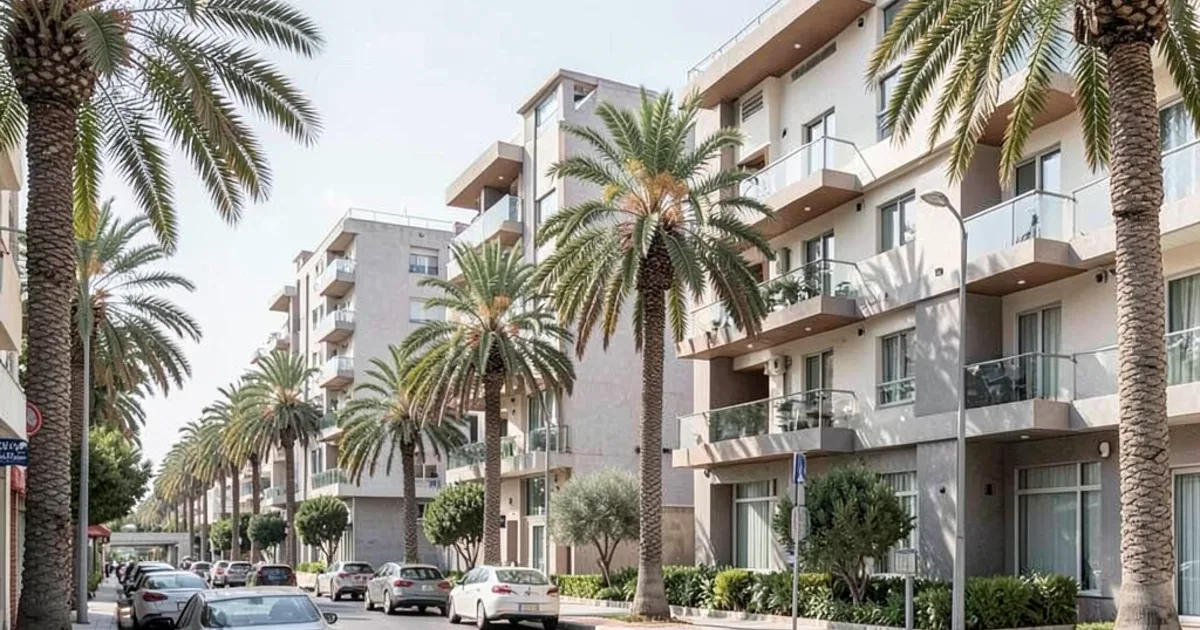
Beit Shemesh has emerged as a highly sought-after destination for families seeking a vibrant community, a blend of traditional and modern living, and a strategic location in Israel. For many, the dream of owning a 3-bedroom family home here is a significant life goal, whether they are preparing for Aliyah, looking for a primary residence, or even considering an investment property. However, navigating the Israeli real estate market, especially in a dynamic city like Beit Shemesh, requires a keen understanding not only of the advertised property prices but also of the myriad 'hidden' costs that can significantly impact your overall budget and long-term financial planning.
- Understanding the Beit Shemesh Property Market for 3-Bedroom Homes
- Typical Price Ranges for a 3-Bedroom Family Home in Beit Shemesh
- The Binding Memorandum and Initial Legal Fees
- Mas Rekhisha (Purchase Tax): A Significant Outlay
- Brokerage Fees: The Agent's Commission
- Valuation and Mortgage-Related Costs (Mashkanta)
- Renovations, Repairs, and Initial Setup Costs
- Ongoing Property Expenses: Arnona, Va'ad Bayit, and Utilities
- Capital Gains Tax (Mas Shevah) for Future Sales
- Currency Exchange and International Transfer Fees for Overseas Buyers
- The Importance of Due Diligence and Professional Advice
Understanding the Beit Shemesh Property Market for 3-Bedroom Homes
Beit Shemesh offers a diverse range of 3-bedroom family homes, from apartments in newer developments to older, more established properties. The market is influenced by several factors, including the specific neighborhood, the age and condition of the building, and the amenities offered. Newer neighborhoods, often with modern infrastructure and facilities, tend to command higher prices compared to older areas which might offer larger living spaces but require more renovation.
The demand for 3-bedroom homes in Beit Shemesh is consistently strong, driven by a growing population and a desire for family-friendly environments. This robust demand can contribute to a competitive market, where properties, especially well-maintained ones, can be quickly snapped up. Understanding these market dynamics is crucial for setting realistic expectations regarding pricing and availability.
It's important to differentiate between various types of 3-bedroom homes. An apartment in a multi-story building will likely have a different price point than a semi-detached house or a small cottage, even within the same general area. Factors like private outdoor space, parking availability, and proximity to schools and synagogues all play a significant role in determining a property's value.
Typical Price Ranges for a 3-Bedroom Family Home in Beit Shemesh
Pinpointing an exact 'average price' for a 3-bedroom family home in Beit Shemesh can be challenging due to the market's variability. However, we can discuss general price ranges based on property type, location, and condition. Apartments in established, well-regarded neighborhoods might fall into a certain price bracket, while those in newer, more upscale developments could be significantly higher.
For example, a 3-bedroom apartment in a central or desirable neighborhood, perhaps with some renovations or modern features, would typically be priced within a certain range. Older apartments requiring substantial updates might be found at a lower entry point, but buyers must factor in renovation costs. Conversely, a newly built 3-bedroom apartment in a sought-after project could command a premium.
When considering a 3-bedroom family home, it's also essential to look at the 'size' of the 3-bedroom. Is it a compact 80-90 square meter apartment, or a more spacious 100-120 square meter unit? Larger properties, even if they are 'only' 3-bedrooms, will naturally have a higher price tag. The presence of a mamad (reinforced security room) or a mirpeset (balcony) can also add to the property's value.
The Binding Memorandum and Initial Legal Fees
The first 'hidden' cost often encountered is related to the initial legal steps. Once you've found a property you're serious about, your agent or lawyer might recommend a 'Zichron Devarim' (binding memorandum of understanding) or a preliminary agreement. While this isn't always mandatory, it can be used to secure the property and outline key terms before the full contract is drafted.
Engaging a lawyer from the outset is crucial. Their fees, typically a percentage of the purchase price (often ranging from approximately half a percent to one percent, plus VAT), are incurred even before the main contract is signed. This legal counsel is invaluable for reviewing documents, conducting due diligence, and ensuring your interests are protected throughout the acquisition process.
Don't view legal fees as an optional extra. A skilled real estate lawyer will verify the property's status in the Tabu (Israel Land Registry) or with the Israel Land Authority, check for liens, building violations, or other encumbrances. They also ensure the contract accurately reflects the agreed terms and protects you from unforeseen issues, which can save you significant money and stress in the long run.
Mas Rekhisha (Purchase Tax): A Significant Outlay
One of the most substantial 'hidden' costs, and one that is entirely unavoidable, is Mas Rekhisha, or purchase tax. This is a progressive tax levied by the Israeli government on real estate transactions. The rates vary significantly based on whether the property is your sole residence in Israel, if you are an Oleh Chadash (new immigrant), or if you already own another property in Israel.
For those purchasing their only property in Israel, especially Olime (new immigrants) within a certain timeframe of their Aliyah, there are often preferential tax brackets or exemptions on the lower portions of the property value. However, for those buying a second property or an investment property, the tax rates can be considerably higher, starting from the very first shekel of the purchase price.
It's absolutely critical to consult with your lawyer and potentially a tax advisor to understand the exact Mas Rekhisha implications for your specific situation. The difference in tax liability can be hundreds of thousands of shekels depending on your status and the property's value. This tax is typically paid within 60 days of signing the purchase agreement, so it needs to be budgeted for early in the process.
Brokerage Fees: The Agent's Commission
If you use a real estate agent to find your 3-bedroom home in Beit Shemesh, you will almost certainly incur brokerage fees. While these fees are not 'hidden' in the sense that they are disclosed, they are often overlooked in the initial budgeting for the property's advertised price. The standard commission in Israel for residential properties is typically 2% plus VAT (Ma'am) of the purchase price.
This commission is generally paid by both the buyer and the seller, though sometimes one party may agree to cover both. It's crucial to clarify the commission structure with your agent at the very beginning of your engagement. Ensure it's explicitly stated in writing to avoid any misunderstandings later on. This fee is usually due upon the signing of the purchase contract.
While 2% might seem like a small percentage, on a substantial property purchase, it amounts to a considerable sum. However, a good agent can be invaluable in navigating the market, identifying suitable properties, negotiating on your behalf, and streamlining the purchasing process, potentially saving you time and money in other areas.
Valuation and Mortgage-Related Costs (Mashkanta)
If you plan to finance your 3-bedroom home with a Mashkanta (mortgage), you will encounter several additional costs. One of the primary expenses is a property valuation (Shumai Mekarke'in). Banks require an independent appraiser to assess the property's market value, ensuring their loan is adequately secured. This fee is typically paid by the buyer and can range significantly.
Beyond the appraisal, there are various administrative fees associated with securing a mortgage. These can include opening a mortgage file, processing fees, and potentially fees for legal review of the mortgage documents. While individually these might seem small, they add up. It's important to get a clear breakdown of all these costs from your chosen mortgage provider.
Furthermore, some banks may require mortgage insurance, which covers the outstanding loan balance in case of the borrower's death or disability. While not strictly a 'hidden' cost, it's an ongoing expense directly tied to your mortgage that needs to be factored into your monthly budget. Exploring different banks and mortgage brokers can help you find the most favorable terms and minimize these associated fees.
Renovations, Repairs, and Initial Setup Costs
Unless you are buying a brand-new, move-in-ready property, it's highly likely that your 3-bedroom home will require some level of renovation or repair. Even seemingly minor updates, such as painting, replacing light fixtures, or updating kitchen appliances, can quickly accumulate. For older properties, more substantial renovations like bathroom upgrades, flooring replacement, or even structural work might be necessary.
Beyond aesthetic changes, you'll also need to consider initial setup costs. This includes connecting utilities (electricity, water, gas, internet), which might involve activation fees. You may also need to purchase new appliances, furniture, and other household essentials to make your new house a home. These expenses, while obvious, are often underestimated in the initial budgeting phase.
It's advisable to set aside a dedicated contingency fund specifically for renovations and initial setup. Obtaining quotes from multiple contractors before finalizing your budget can provide a more accurate picture of potential costs. Ignoring these expenses can lead to significant financial strain shortly after moving in.
Ongoing Property Expenses: Arnona, Va'ad Bayit, and Utilities
Once you own your 3-bedroom home in Beit Shemesh, you'll be responsible for a range of ongoing monthly or bi-monthly expenses. Arnona is the municipal property tax, calculated based on the property's size and location, and is paid to the local municipality. The amount can vary significantly, so it's essential to inquire about the current Arnona rate for any property you are considering.
If you purchase an apartment in a building with shared common areas (stairwells, elevators, gardens, etc.), you will pay Va'ad Bayit (building maintenance fees). This covers the upkeep of these communal spaces, cleaning, gardening, and sometimes a building manager. The Va'ad Bayit fee can range from a modest sum to a more substantial amount, depending on the building's amenities and services.
Finally, you'll have regular utility bills for electricity, water, and gas. While these aren't 'hidden,' they are ongoing costs that need to be factored into your household budget. Internet and cable/satellite TV services are additional recurring expenses. Understanding the typical consumption patterns for a 3-bedroom family home in Beit Shemesh can help you estimate these costs more accurately.
Capital Gains Tax (Mas Shevah) for Future Sales
While not a direct 'hidden cost' of purchasing, it's crucial to be aware of Mas Shevah (capital gains tax) for any future sale of your property. If you sell your home in Israel and have made a profit, you may be liable for this tax. The rules are complex and depend on various factors, including how long you've owned the property, whether it was your primary residence, and if you've utilized previous exemptions.
There are significant exemptions for selling a primary residence, but these exemptions are not unlimited and have specific conditions. For example, you might be exempt if it's your only property in Israel and you've owned it for a certain period. However, if you're buying an investment property or already own another home, you'll likely incur Mas Shevah upon sale.
Understanding these tax implications upfront, especially if you foresee selling the property in the future, can influence your purchasing decisions and long-term financial planning. Consulting with a tax advisor or a real estate lawyer specializing in Israeli tax law is highly recommended to clarify your specific situation and potential liabilities.
Currency Exchange and International Transfer Fees for Overseas Buyers
For buyers purchasing from overseas, particularly those making Aliyah or investing from abroad, currency exchange rates and international transfer fees represent a significant, often underestimated, 'hidden' cost. Fluctuations in the exchange rate between your local currency and the Israeli Shekel can dramatically impact the final price of your property.
When transferring large sums of money internationally, banks and specialized transfer services will charge fees, both for the transfer itself and often through less favorable exchange rates. These costs can quickly add up, especially if multiple transfers are required for down payments, tax payments, and other associated expenses.
It's advisable to research and compare different currency exchange services and understand their fee structures and exchange rate margins. Planning your transfers strategically, perhaps by consolidating them where possible, and monitoring exchange rates can help mitigate these costs. A slight difference in the exchange rate can translate into thousands of shekels on a major property purchase.
The Importance of Due Diligence and Professional Advice
The complexity of the Israeli real estate market, coupled with the significant financial investment involved, underscores the absolute necessity of thorough due diligence. This goes beyond simply viewing the property and includes a comprehensive review of all legal, financial, and structural aspects. Overlooking any detail can lead to costly surprises down the line.
Engaging a team of trusted professionals is not an optional extra but a fundamental requirement. This team should include an experienced Israeli real estate lawyer, a reputable real estate agent familiar with the Beit Shemesh market, and potentially a mortgage broker and a tax advisor. Each professional brings specialized expertise to safeguard your interests.
Their collective guidance will help you navigate the legal framework, understand the financial implications, negotiate effectively, and ensure that all necessary checks are performed. While these services come with fees, they are an investment that can prevent far greater expenses and headaches in the future, ultimately leading to a smoother and more secure property acquisition.
FAQ
Is Beit Shemesh a good place for families making Aliyah to buy a 3-bedroom home?
Beit Shemesh is highly appealing for Olime families due to its strong community, diverse religious and educational options, and family-friendly atmosphere. Its proximity to Jerusalem also makes it a convenient location for many.
Can I get a mortgage (Mashkanta) in Israel if I'm not yet an Israeli citizen?
Yes, non-citizens can often obtain mortgages in Israel, though the terms and conditions might differ from those offered to Israeli citizens or Olime. It's best to consult with Israeli banks or mortgage brokers specializing in foreign buyers.
What is the average time it takes to complete a property purchase in Beit Shemesh?
The duration for a property purchase in Israel can vary, but typically, from signing the memorandum to final registration (Tabu), it can take anywhere from a few months to over a year, depending on various factors like mortgage processing and property registration complexities.
Are there specific grants or benefits for new immigrants (Olim Chadashim) buying a home in Beit Shemesh?
Olim Chadashim are often eligible for significant benefits, including reduced purchase tax rates on their first property in Israel. They may also qualify for certain mortgage benefits or government assistance programs, so it's vital to research these thoroughly.
Get your personalised shortlist
Listings and up-to-date info, straight to your inbox, free, no obligation.
Start my search →